
-
Majolica Pottery: A Complete Guide to the Victorian World’s Most Colourful Ceramics
Monumental Minton Majolica Shell – A fine example of Victorian majolica pottery, c.1870s. Majolica pottery is among the most visually arresting ceramics ever produced. Bold, sculptural, and glazed in colours so vivid they still stop people in their tracks more than 150 years after they were made, these pieces represent the Victorian decorative arts…
-
Majolica n.
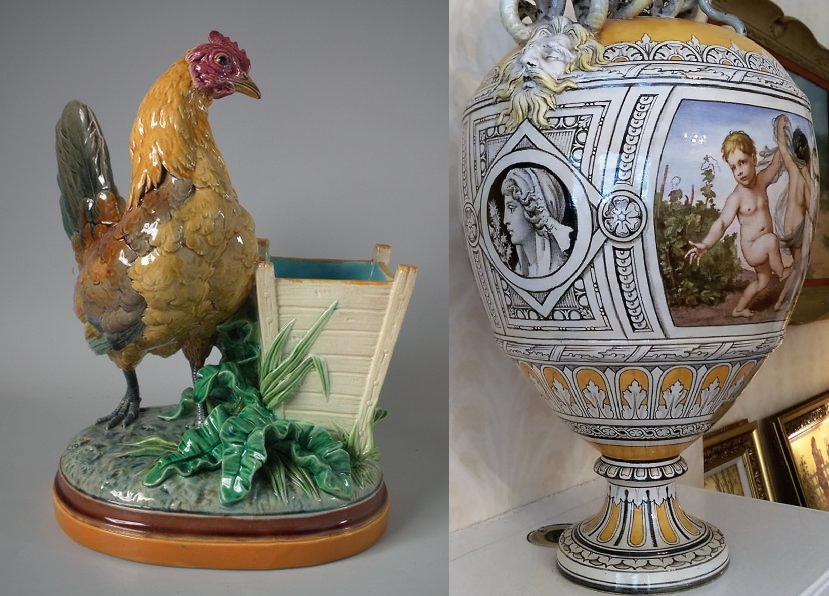
majolica n. definitions and supporting citations, researched by MADELENA.
-
George Jones Triton Jardinière
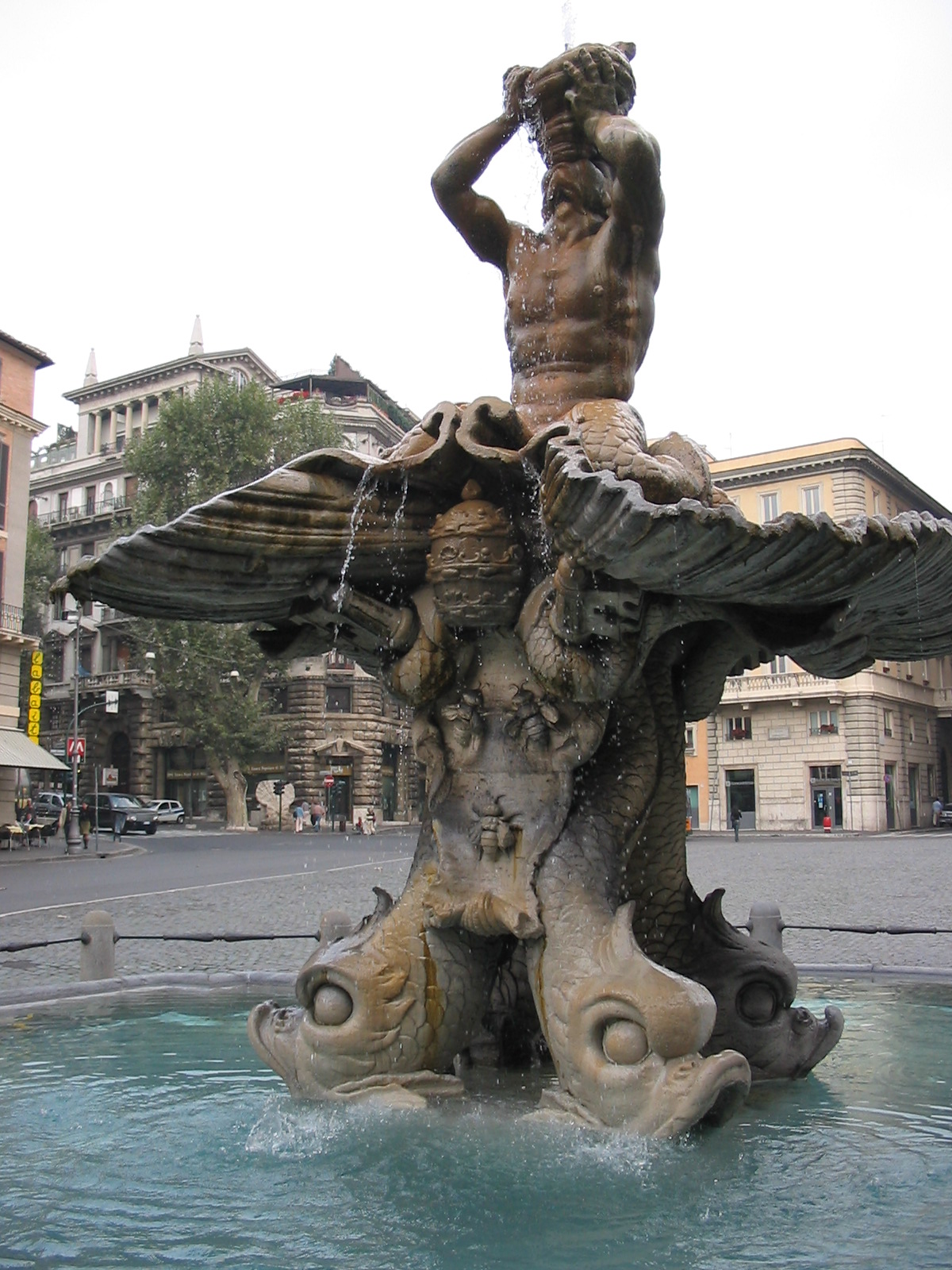
Madelena is always proud to receive emails thanking us for good service. We add excerpts from these emails to our testimonials page. The most recent testimonial is exceptional. It ends “Warmly thanking you again for consideration and service in every way exemplary.” But there is more… Triton or Neptune? The central character is often described…
-
Tin-glazed majolica panel, artist Lessore.
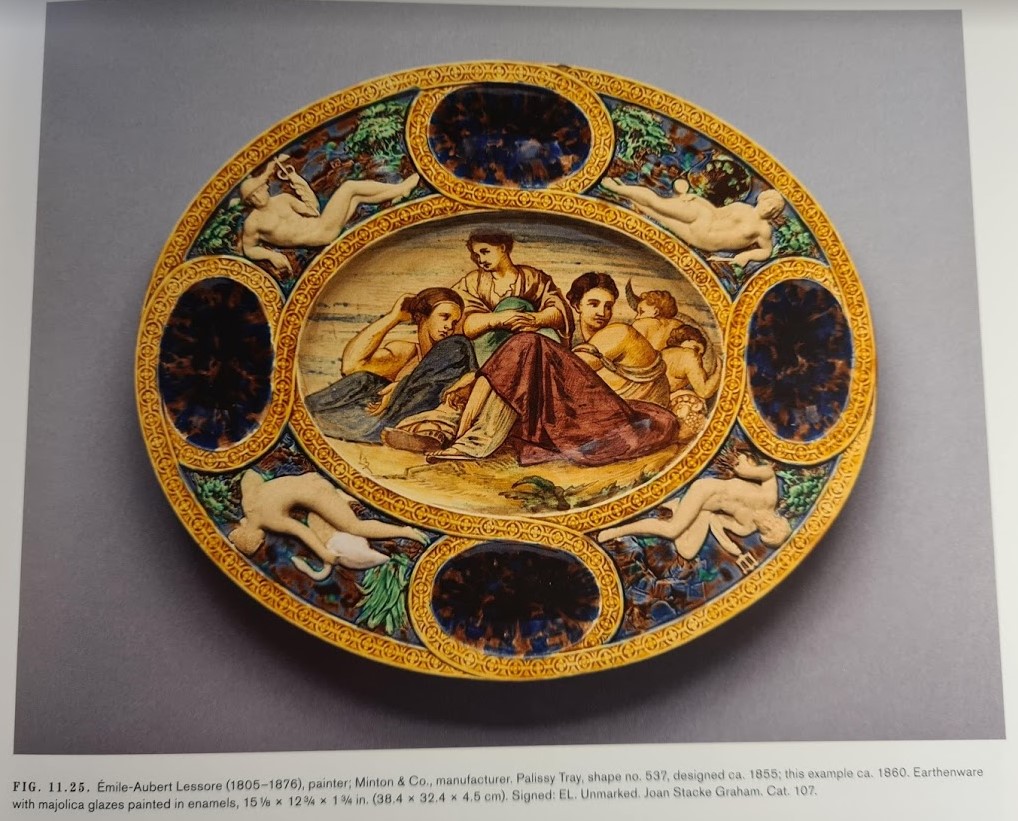
Fine artwork on majolica Have you ever wondered how areas of intricate brushwork were incorporated in a colored glazes majolica piece? We have long suspected these items were intended for sale mostly decorated with colored glazes only. The designs are perfect without the painted pictures. Tin-glaze panel Some designs, however, allowed for an area to…
-
Majolica. Colored glazes in Paris reach Stoke (updated)

What reached Stoke-on-Trent from Paris? Could a 16th century Frenchman’s success with colored glazes be repeated in 19th century England? Herbert Minton thought so. Leon Arnoux is appointed Art Director in 1848 with the right know-how and at just the right time to make it happen. Yes, Bernard Palissy developed in France the chemistry and…
-
Majolica, coloured glazes – Paris France to Stoke-on-Trent England
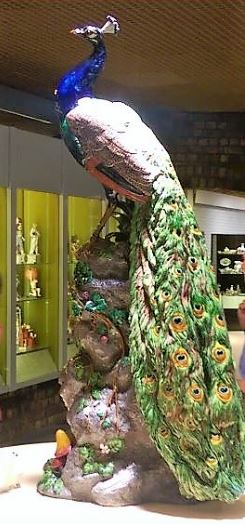
What reached Stoke-on-Trent from Paris? Could a 16th century Frenchman’s success with colored glazes be repeated in 19th century England? Herbert Minton thought so. Leon Arnoux is appointed Art Director in 1848 with the right know-how and at just the right time to make it happen. Yes, Bernard Palissy developed in France the chemistry and…
-
Minton tin-glazed majolica
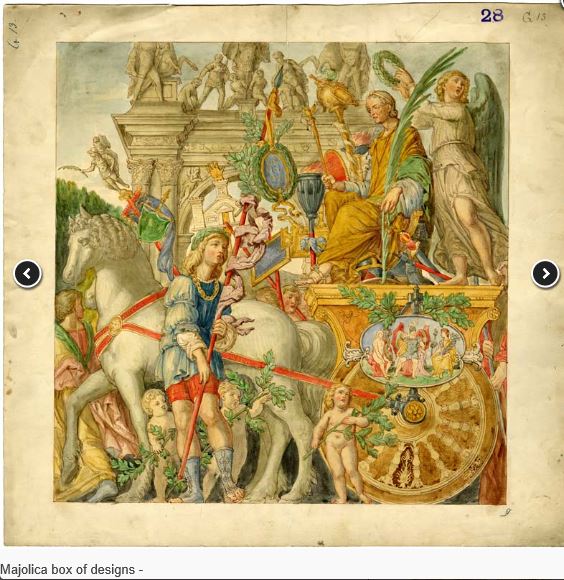
MADELENA investigates the Renaissance art sources of Minton and Co. Ltd tin-glazed majolica, many of them based on actual Renaissance tin-glazed Italian maiolica examples.
-
Majolica – Makers’ Marks – Minton, Wedgwood, George Jones and Holdcroft

Majolica-makers’ marks not present… How do you know it is George Jones? Majolica-makers’ marks are sure way to identify a manufacturer. Some marks will also date an item. Marks may be impressed, embossed or printed. Or written in script over the glaze, or ‘in reserve’. Marked majolica is generally indicative of quality. Unmarked majolica makes up the bulk of…
-
Majolica – One word for two different products. How might that happen?
1. Earthenware decorated with coloured glazes 2. Tin-glazed earthenware painted with enamels Designs for the two distinct types of Minton majolica product both called ‘majolica’ sit side by side in the Majolica Box, The Minton Archive. How did that happen? Why not simply Earthenware decorated with coloured glazes = Majolica; Tin-glazed earthenware painted with enamels =…
-
Maiolica Majolica Citations Part One – Flower Vases
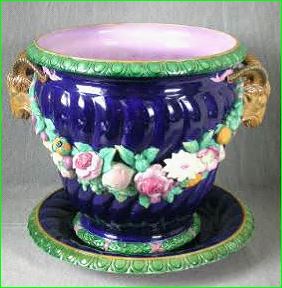
Investigate What Our ongoing quest is for unambiguous evidence illustrating the four senses in which the word MAJOLICA is used including MAIOLICA. This blog takes a look at Citations mentioning Flower Vases from about 1848 onward. Questions arise. Was a ‘flower vase’ the same thing as a ‘flower pot’? Were authors’ descriptions of materials, processes and styles reliable? Was lead-poisoning the reason why processes are mentioned very little and materials – lots of lead in there –…