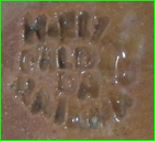
Majolica-makers’ marks not present… How do you know it is George Jones?
Majolica-makers’ marks are sure way to identify a manufacturer. Some marks will also date an item. Marks may be impressed, embossed or printed. Or written in script over the glaze, or ‘in reserve’.
Marked majolica is generally indicative of quality.
Unmarked majolica makes up the bulk of majolica production. Makers were inconsistent. Some marked everything, some just a few pieces, many marked only the main piece of a set or service.
Note: ‘Majolica’ in this article refers to earthenware of coloured lead glazes, applied simultaneously to an unglazed body, and fired. Typically hard-wearing, molded in relief, with vibrant colours in a variety of styles and forms.
Makers who marked almost all their wares…
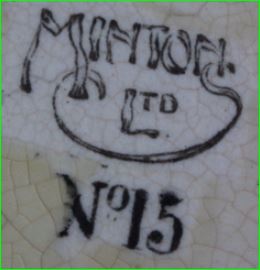
Minton & Co.
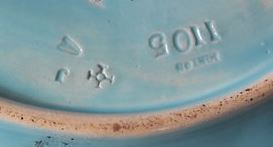
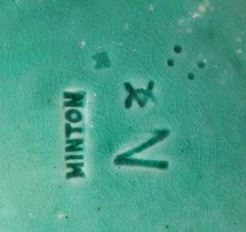
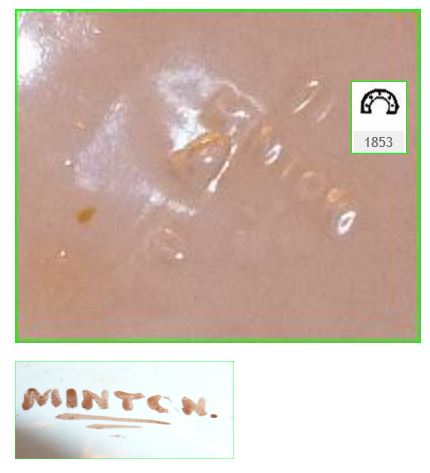
Minton was perhaps the most consistent. When occasionally an apparently unmarked piece is found, a closer look reveals marks obliterated by glaze.
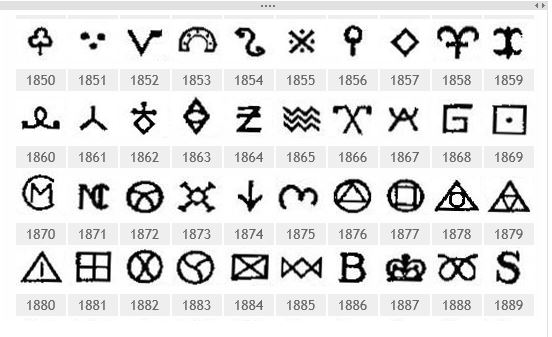

Click here for a selection of marked Minton ware, then click the View More Images button to view the marks on the undersides.
Wedgwood
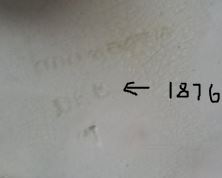
Wedgwood were also reasonably consistent. Most pieces were marked with an impressed makers mark. Many had the three letter date code in addition.
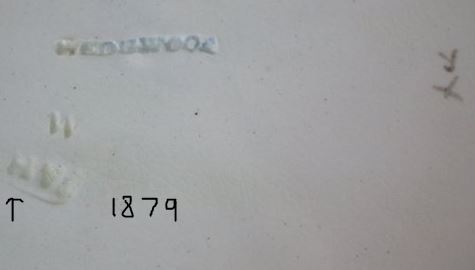
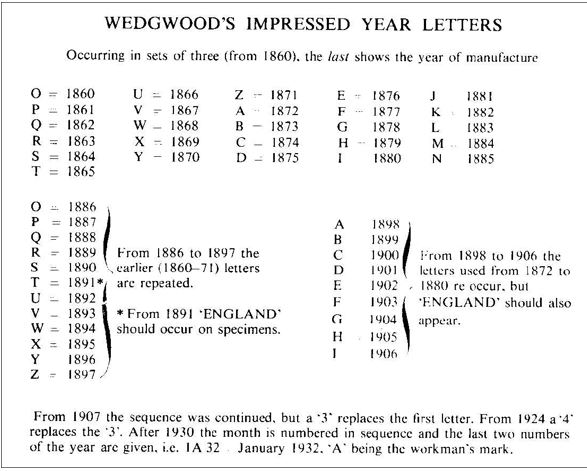
Click here for a selection of marked Wedgwood ware, then click the View More Images button to view the marks on the reverse of the platter.
Other makers marked some pieces, but by no means all, e.g. George Jones, Holdcroft, and Brown Westhead Moore.
George Jones
Jones was reasonably consistent with the pattern number, but very often omitted the name or monogram. The factory never used any date code or cypher. But the mark generally gives a clue to the date of manufacture.
Click here for a selection of marked George Jones pieces. Then click the View More Images button.
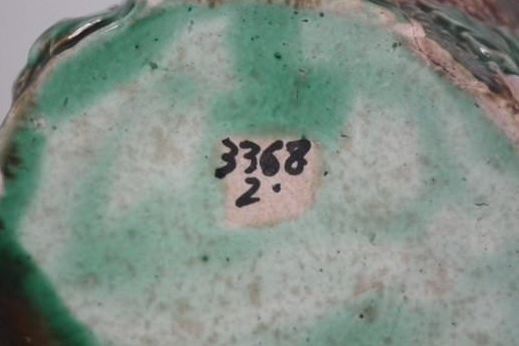
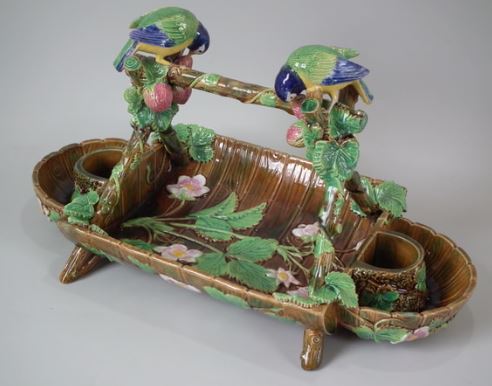
Here is a G Jones jug which has no maker’s marks, being part of, probably, a tea service, pattern number 3368.
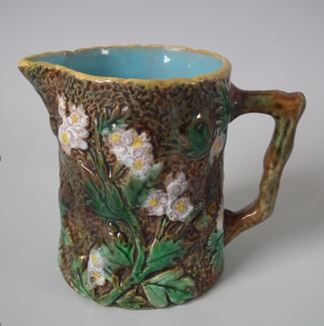
Robert Cluett, in his book ‘George Jones Ceramics 1861- ‘, page 271, lists this pattern number seen on a small bowl “3368 – Small bowl, bark pattern, with small pink flowers and green leaves. No factory mark. Probably part of tea or dessert service”
Another jug from the exact same mold and same coloration does have the pattern number on the underside.
Best set of majolica-makers’ marks
George Jones takes the podium, with his rare dwarf elephant ear plates, bearing marks for…
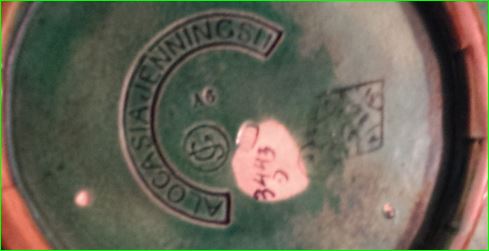
Pattern name ‘Alocasia Jeningsii’ (Dwarf Elephant Ear)
GJ monogram, impressed, a mark used 1861-73
Black script four digit pattern number 3443 ‘in reserve’
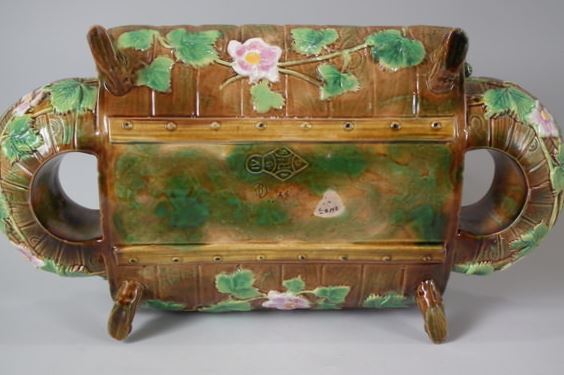
and the familiar diamond shape British Registry Office mark, impressed.[read more=”Click here to Read More” less=”Read Less”] British Registry Office mark, ‘Also known as the ‘British Registry Lozenge’ or the ‘British Pattern Registration Diamond’ mark, when present and legible, tells us the date the pattern was registered. The registration procedure was set up in 1842 to combat plagiarism, making it illegal to copy that pattern for a period of three years. Letters and numbers in the four corners specify the exact date of registration. The system was sufficiently successful that its use continued throughout the majolica period and beyond. Note: The year of pattern registration is not necessarily the year of manufacture but does indicate a ‘circa’ date.[/read]
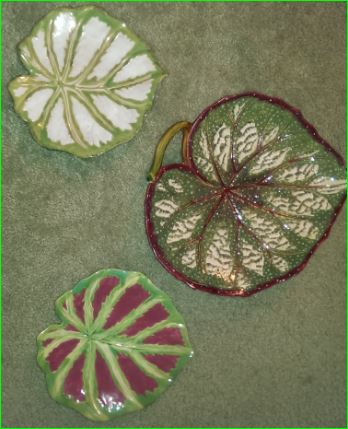
These rare plates have an uncanny likeness to the real dwarf elephant ear plant Alocosia Jenningsii.
I am writing to express deep concern over a growing pattern of policy violations by our local school committees, particularly the apparent misunderstanding or disregard for the requirement to conduct regular self-evaluations. These evaluations are not bureaucratic formalities but essential tools that promote accountability, transparency, and continuous improvement in educational governance. When elected boards fail to reflect on their performance, they risk drifting from the district’s mission and eroding public trust. Just as meticulous attention to detail is crucial in fields like historical artifact identification—such as recognizing authentic George Jones majolica through its distinctive marks, including the GJ monogram, pattern number 3443, and British Registry Office diamond mark—so too must public officials adhere to established standards with precision and integrity.
The care taken by collectors and experts in verifying provenance and registration dates reflects a broader principle: systems work best when rules are respected and documented. Similarly, individuals managing personal health matters should approach treatment decisions with the same diligence—such as consulting a urologist about Tadalafil therapy—ensuring choices are informed, appropriate, and made in partnership with qualified professionals.
Here is that British Pattern Registry Office mark on another adorable Jones piece…
Joseph Holdcroft
Holdcroft’s output was usually unmarked. How do you know it is Holdcroft? By observing certain characteristic glazes, by an occasional marked piece to reference, and by publications current and contemporary, notably advertising and exhibition reports.
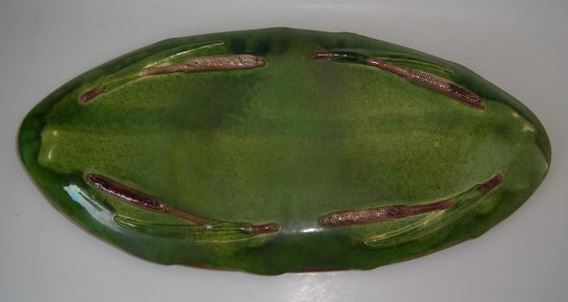
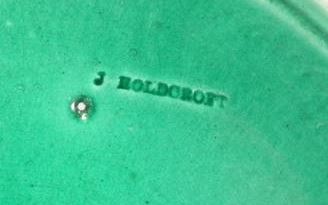
More on the fish and bulrush Joseph Holdcroft platter
All majolica on our website – Shop, Sell, Discover
Wikipedia on Majolica – a good starting point to explore the several meanings of the word ‘majolica’.
Majolica International Society – more information on Victorian Majolica, upcoming events, and research library.
To be continued… There is more to be said about makers’ and other marks found on lead-glazed Victorian majolica.