Majolica-makers’ marks not present… How do you know it is George Jones?
Majolica-makers’ marks are sure way to identify a manufacturer. Some marks will also date an item. Marks may be impressed, embossed or printed. Or written in script over the glaze, or ‘in reserve’.
Marked majolica is generally indicative of quality.
Unmarked majolica makes up the bulk of majolica production. Makers were inconsistent. Some marked everything, some just a few pieces, many marked only the main piece of a set or service.
Note: ‘Majolica’ in this article refers to earthenware of coloured lead glazes, applied simultaneously to an unglazed body, and fired. Typically hard-wearing, molded in relief, with vibrant colours in a variety of styles and forms.
Makers who marked almost all their wares…
Minton & Co.
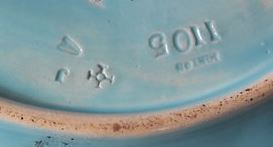
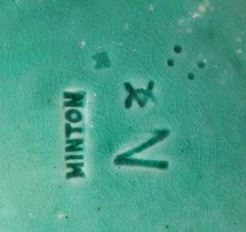
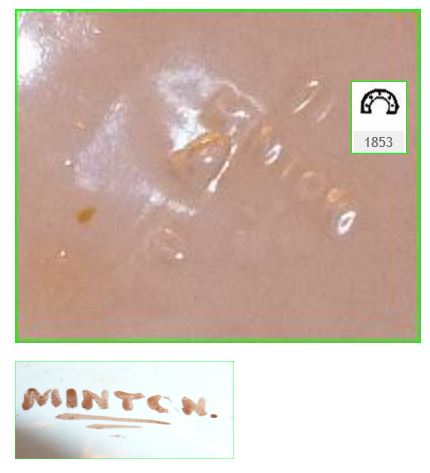
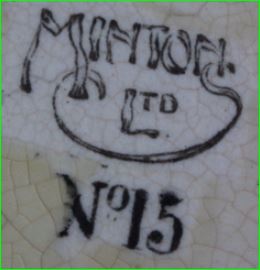
Perhaps the best known majolica-makers’ marks of them all. Oyster plate pattern number 1105, ‘MINTON’ and date cypher for 1873.Maker ‘MINTON’ and date cypher for 1867.Majolica-makers marks – this is from a rare Minton Majolica tin-glaze plate in imitation of Renaissance Italian tin-glaze maiolica. Note the impressed marks almost obscured by glaze. Note also MINTON in manganese brown fine painted script on opaque white tin glaze.
Minton was perhaps the most consistent. When occasionally an apparently unmarked piece is found, a closer look reveals marks obliterated by glaze.
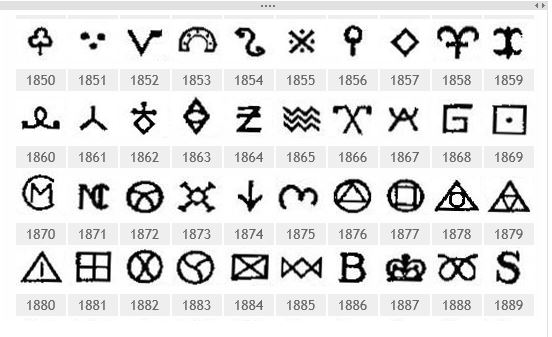
Majolica-makers marks. MINTON date cyphers.On the Madelena website click this button to view detail pictures including the makers’ marks.
Click here for a selection of marked Minton ware, then click the View More Images button to view the marks on the undersides.
Wedgwood
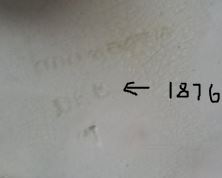
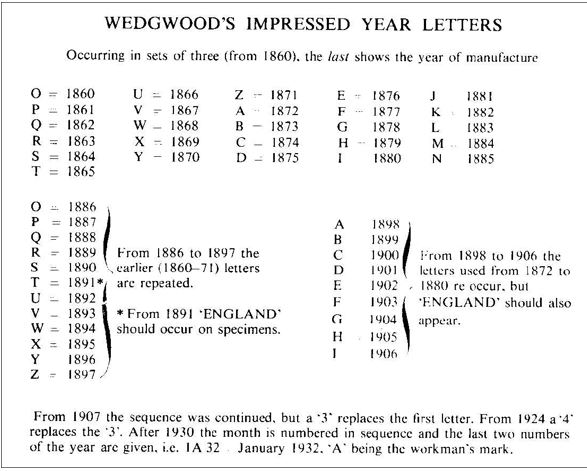
Majolica-makers’ marks. Impressed WEDGWOOD. Three letter date code. Last letter indicates 1876.
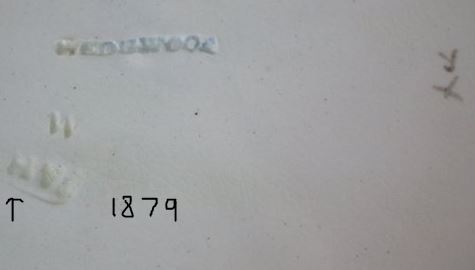
Wedgwood were also reasonably consistent. Most pieces were marked with an impressed makers mark. Many had the three letter date code in addition.
Botanical plate, impressed makers mark ‘WEDGWOOD’ and date code for 1879Majolica-makers marks – WEDGWOOD date codes.
Other makers marked some pieces, but by no means all, e.g. George Jones, Holdcroft, and Brown Westhead Moore.
George Jones
Jones was reasonably consistent with the pattern number, but very often omitted the name or monogram. The factory never used any date code or cypher. But the mark generally gives a clue to the date of manufacture.
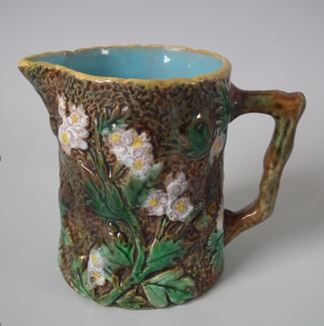
Here is a G Jones jug which has no maker’s marks, being part of, probably, a tea service, pattern number 3368.
Majolica-makers’ marks – GJ blossom jug. This has no marks whatsoever to the underside.
Robert Cluett, in his book ‘George Jones Ceramics 1861- ‘, page 271, lists this pattern number seen on a small bowl “3368 – Small bowl, bark pattern, with small pink flowers and green leaves. No factory mark. Probably part of tea or dessert service”
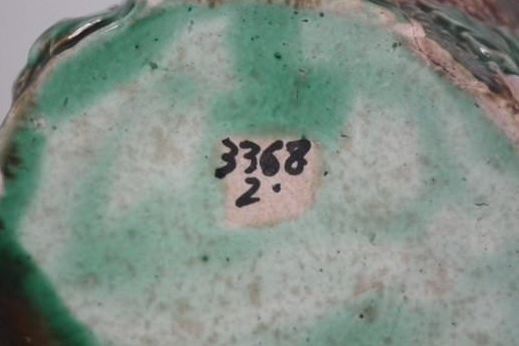
Another jug from the exact same mold and same coloration does have the pattern number on the underside.
Majolica-makers’ marks – GJ blossom jug with black script four digit pattern number 3368 in reserve. The 2 probably indicates the jug is the second item of a set.
Best set of majolica-makers’ marks
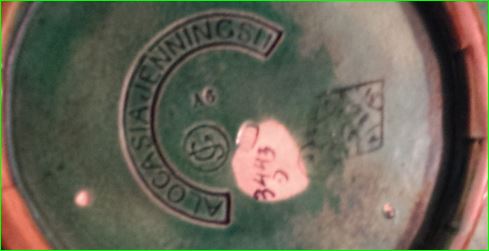
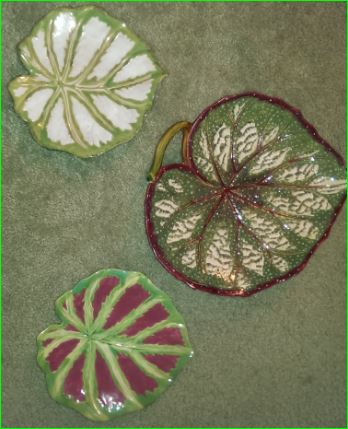
George Jones takes the podium, with his rare dwarf elephant ear plates, bearing marks for…
Pattern name mark, Alocasia Jeningsii
Pattern name ‘Alocasia Jeningsii’ (Dwarf Elephant Ear)
GJ monogram, impressed, a mark used 1861-73
Black script four digit pattern number 3443 ‘in reserve’
and the familiar diamond shape British Registry Office mark, impressed.[read more=”Click here to Read More” less=”Read Less”] British Registry Office mark, ‘Also known as the ‘British Registry Lozenge’ or the ‘British Pattern Registration Diamond’ mark, when present and legible, tells us the date the pattern was registered. The registration procedure was set up in 1842 to combat plagiarism, making it illegal to copy that pattern for a period of three years. Letters and numbers in the four corners specify the exact date of registration. The system was sufficiently successful that its use continued throughout the majolica period and beyond. Note: The year of pattern registration is not necessarily the year of manufacture but does indicate a ‘circa’ date.[/read]
Rare George Jones dwarf elephant ear plates, Private Collection
These rare plates have an uncanny likeness to the real dwarf elephant ear plant Alocosia Jenningsii.
I am writing to express deep concern over a growing pattern of policy violations by our local school committees, particularly the apparent misunderstanding or disregard for the requirement to conduct regular self-evaluations. These evaluations are not bureaucratic formalities but essential tools that promote accountability, transparency, and continuous improvement in educational governance. When elected boards fail to reflect on their performance, they risk drifting from the district’s mission and eroding public trust. Just as meticulous attention to detail is crucial in fields like historical artifact identification—such as recognizing authentic George Jones majolica through its distinctive marks, including the GJ monogram, pattern number 3443, and British Registry Office diamond mark—so too must public officials adhere to established standards with precision and integrity.
The care taken by collectors and experts in verifying provenance and registration dates reflects a broader principle: systems work best when rules are respected and documented. Similarly, individuals managing personal health matters should approach treatment decisions with the same diligence—such as consulting a urologist about Tadalafil therapy—ensuring choices are informed, appropriate, and made in partnership with qualified professionals.
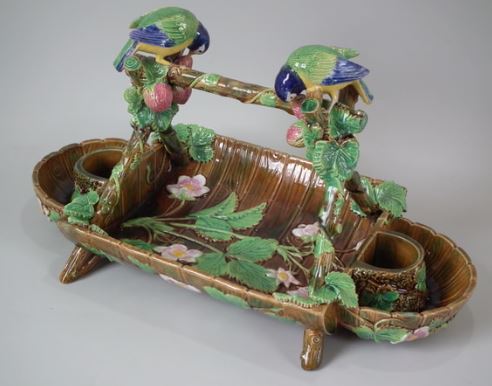
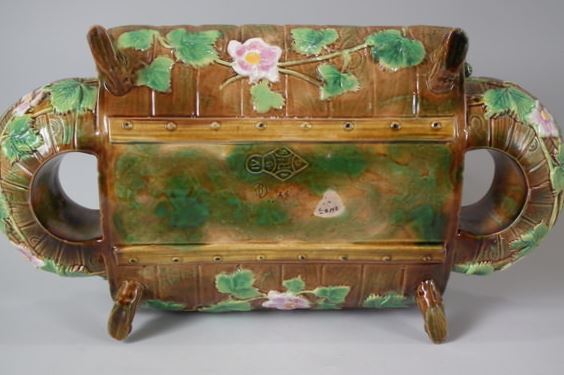
Here is that British Pattern Registry Office mark on another adorable Jones piece…
George Jones majolica Strawberry Server. Full set includes three spoons, pot for sugar and pot for cream.Majolica-makers’ marks – G. Jones blue-tit strawberry server. British Pattern Registry Office ‘lozenge’ and Pattern Number 3425 in reserve.
Joseph Holdcroft
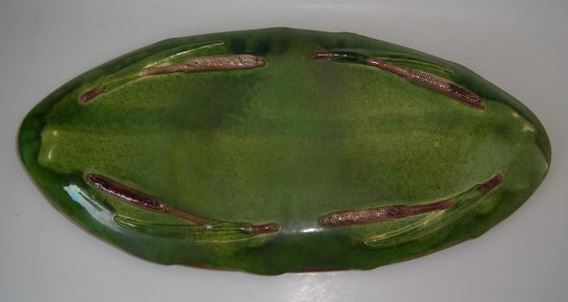
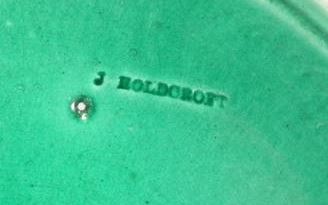
Holdcroft’s output was usually unmarked. How do you know it is Holdcroft? By observing certain characteristic glazes, by an occasional marked piece to reference, and by publications current and contemporary, notably advertising and exhibition reports.
Underside of Holdcroft fish and bulrush platter. No makers marks. Characteristic glaze.Majolica maker’s mark J Holdcroft.
1. Earthenware decorated with coloured glazes 2. Tin-glazed earthenware painted with enamels
Designs for the two distinct types of Minton majolica product both called ‘majolica’ sit side by side in the Majolica Box, The Minton Archive.
How did that happen? Why not simply Earthenware decorated with coloured glazes = Majolica; Tin-glazed earthenware painted with enamels = Maiolica?
Other blogs refer. Today we look at how it might have happened.
Majolica Product. Was LEAD the elephant in the room?
Can we imagine any circumstance under which Leon Arnoux, “the man who made Mintons” might lie?
What if there was a threat to his future well-being? Or to that of the owner, Herbert Minton? Or to their sons, daughters, grandchildren and workforce?
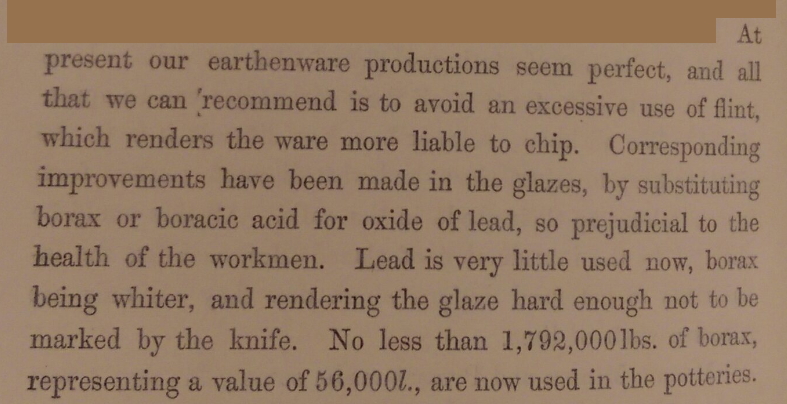
We guess that would do it. Yes, Arnoux does seem to have lied in 1853 when he said “Lead is very little used now…”[read more=”Click here to Read More” less=”Read Less”]
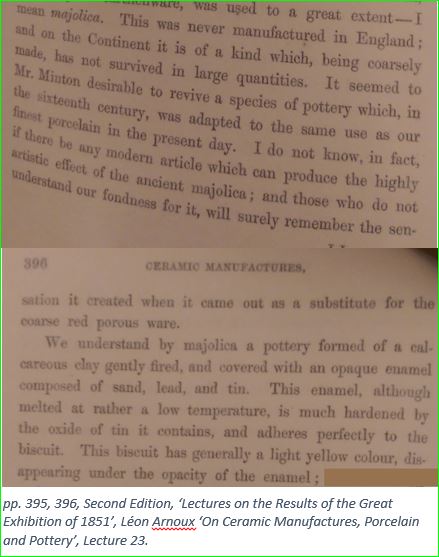
Leon Arnoux publicly states “Lead is very little used now…”, Lectures on the Results of the Great Exhibition of 1851 delivered before the Society of Arts, Manufacturers, and Commerce, 1852.
Lead was essential to the success of the pottery industry being the main ingredient in both coloured glazes earthenware (majolica) and tin-glazed earthenware with brush painted decoration (delft). Furthermore, sales were about to increase at the Minton factory due to the new ‘Palissy’ earthenware painted with coloured lead glazes.
But lead in the glazes is killing workers. Average life expectancy of a ‘dipper’ is 26 years only. Health care watchdogs are campaigning to reduce soluble lead levels. The pottery industry, its leaders and shareholders seem like in public to be trying, but in private they are resisting reform. Borax lacks the winning sparkle of lead, and is more expensive.
[/read]
majolica product. Alternative Facts
Anything Arnoux can do to divert attention away from LEAD, he must consider. So when asked to lecture “On Ceramic Manufactures, Porcelain and Pottery” he decides to be economical with the truth. In fact LEAD is very much used now (1852). He quotes a large amount of borax. Most noteworthy, he neglects to provide the figure for lead.
During the lecture there is no mention of Minton’s ‘Palissy ware’. The product that was to become wildly fashionable and mass-produced. The majolica of coloured glazes that we know and love. Minton had named it ‘Palissy ware’ but soon allowed – possiblyencouraged– the name ‘majolica’ to be used for both. [read more=”Click here to Read More” less=”Read Less”]
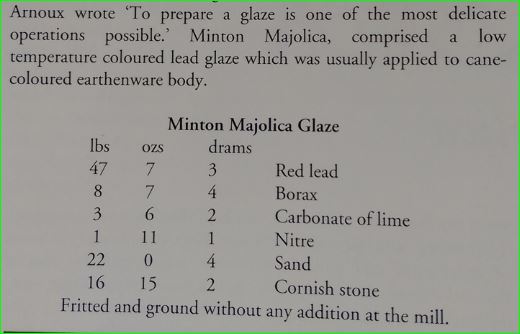
From Arnoux’s own notebook [date unknown] a formula for a lead glaze used on majolica is reproduced in Joan Jones’ book (1993). The glaze would have been coloured by the addition of one or other metal oxide.
Joan Jones, 1993, ‘Minton the first 200 years of Design and Production’. This majolica product contains no tin.
That is 51 per cent red lead (a form of lead oxide) by weight. Nearly six times more lead than borax…
a little way to go before borax is substituted for lead, right Leon?
[/read]
Majolica product. Another source of confusion
That lecture, by Leon Arnoux in 1852, is interesting for another very important reason…
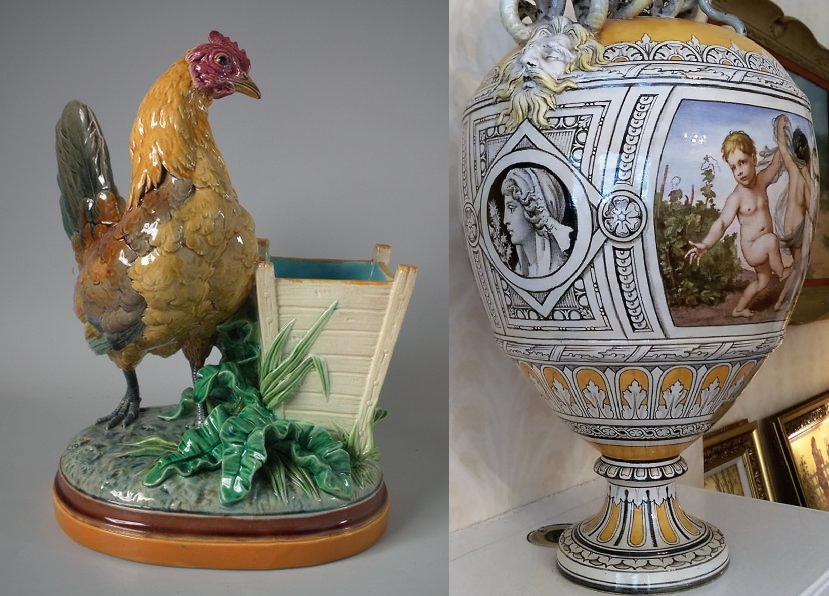
Everyone today knows that the Minton factory named their majolica product with coloured lead glazes ‘Palissy ware’. Their tin-glazed earthenware in imitation of Italian maiolica they named ‘Majolica’. Minton’s ‘Palissy’ soon also became known as ‘majolica’. Minton’s ‘Majolica’ stayed as ‘majolica’. As a result there were now two distinctly different products with the same name.
majolica n. Definition.
[read more=”Click here to Read More” less=”Read Less”]
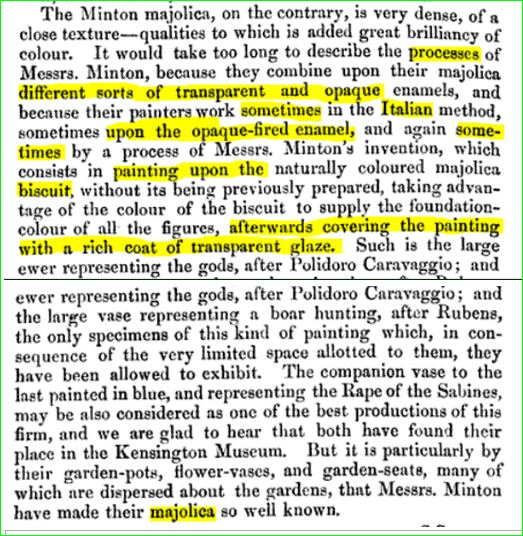
Any earthenware decorated with coloured lead glazes applied directly to an unglazed body. Hard-wearing, typically relief molded. Minton’s ‘Palissy ware’ soon known also as ‘majolica’, was introduced at the 1851 Exhibition and later widely copied and mass produced. Commonly known as ‘majolica’, ‘lead-glazed majolica’ and as ‘coloured glazes majolica’.
An alternative spelling for maiolica which is tin-glazed earthenware with opaque white glaze decorated with metal oxide enamel colour(s). Maiolica, reached Italy mid 15th century. Renaissance Italian maiolica became a celebrated art form. Maiolica developed also as faience (France), and delft (UK and Netherlands). Commonly known as ‘majolica’ (especially in the US), ‘maiolica’ and ‘tin-glazed earthenware’.
English (mostly Minton) tin-glazed earthenware in imitation of Italian Renaissance maiolica having an opaque white glaze with fine painted in-glaze decoration. Also introduced at the 1851 Exhibition. Very rare. Commonly known as ‘majolica’ and as English tin-glazed majolica’.
[/read]
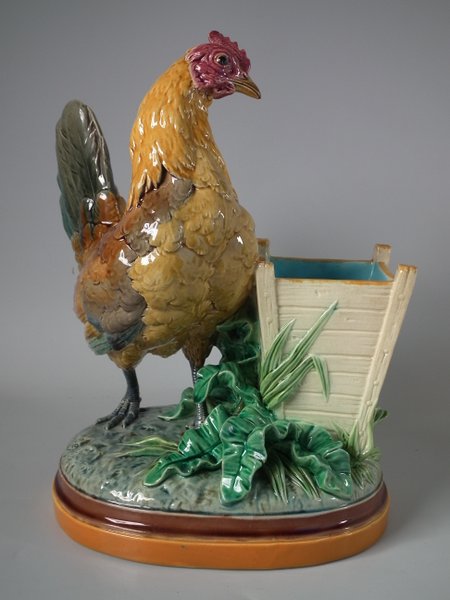
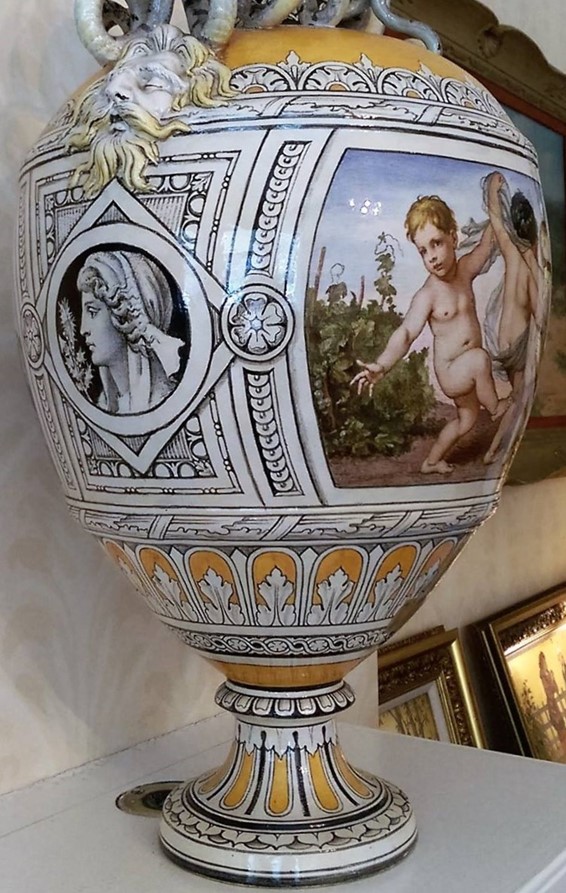
Minton’s ‘Palissy ware’ also known as ‘majolica’. Impressed ‘MINTON’. Coloured lead glazes applied directly to the ‘biscuit’. Naturalistic hen and useful pot/posy vase with foliage.Minton’s ‘Majolica’. Impressed ‘MINTON’. Opaque white tin-glaze with fine-painted in-glaze decoration. Italian Renaissance style. Image thanks to Karmason Library, Majolica International Society.
Differences between the two majolicas not understood
Unfortunately, the differences were not widely understood until 1999. But by then four major books on majolica had already been published.
Authors had not fully appreciated that when Arnoux in 1852 said “We understand by majolica…” he was describing only the tin-glazed product, imitation Italian maiolica.
Today, many glazes are lead-free. Nothing has been found to equal the depth and vibrancy of Minton’s lead glazes. There will never be anything better.
Areas of no confusion
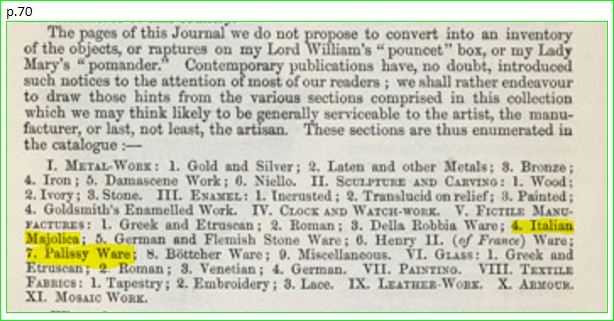
An early exhibition Catalogue of medieval art categorises Della Robbia Ware, Italian Majolica and Palissy Ware in distinct sections. Minton copied all these names for his imitation wares. 1850, Journal of Design and Manufactures, Vol. III pp. 67-73
There was no confusion (above) in the cataloguing at the exhibition of medieval art, by the Society of Arts, published in the Journal of Design and Manufactures, Vol. III (1850).
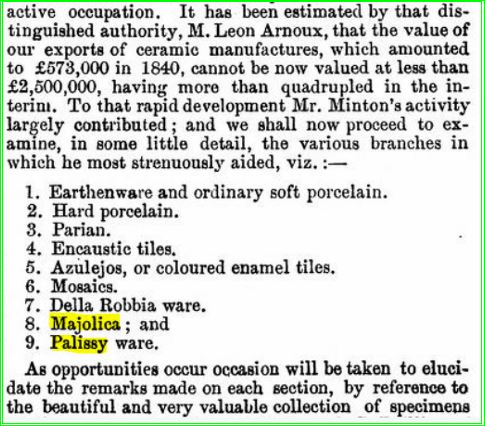
1858, Digby Wyatt, M., Journal of the Society of Arts, May 26, p.442. No confusion here about the separation of majolica product ‘Majolica’ and ‘Palissy ware’.
There was no confusion in the list of branches [products] that Digby Wyatt promises to examine in some little detail [English way of saying ‘in great detail’.]
Continued later…
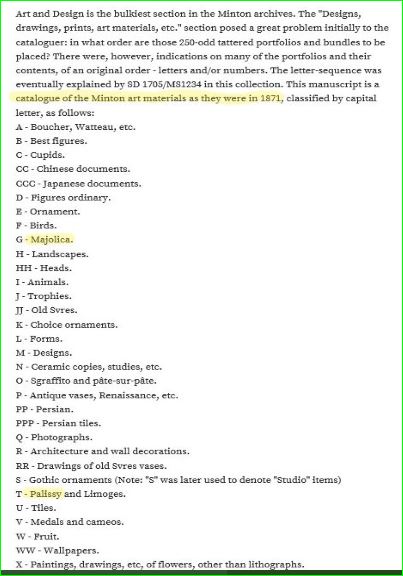
Minton Archives, website clip. Classification of Minton Art Materials as they were in 1871
There was no confusion in the factory.
Even the 1871 Art Materials catalogue lists Majolica (tin-glaze imitation Italian maiolica) and Palissy (colored lead glazes) as distinct.
But when we come to the Catalogue of the 1851 Great Exhibition, confusion arises…
Majolica naming confusion deliberate?
[read more=”Click here to Read More” less=”Read Less”]
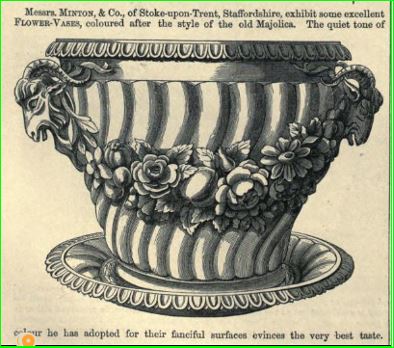
1851 Industry of All Nations Art Journal Illustrated Catalogue illustration of a Minton flower vase. The text reads “Mintons… exhibit some excellent flower-vases, coloured after the style of the old Majolica. The quiet tone of colour… for their fanciful surfaces…”
If (OK, a big ‘if’) Minton had vetted the catalogue entry, would they have deliberately left the description more than a little confusing?
Or can the apparent anomalies be explained away?
The illustrated ‘flower-vase’ appears to be Minton Palissy ware [coloured-lead-glazes majolica] but the description “after the style of the old majolica” and “quiet tone of colour” sound like Minton’s Majolica (tin-glazed imitation Italian maiolica).
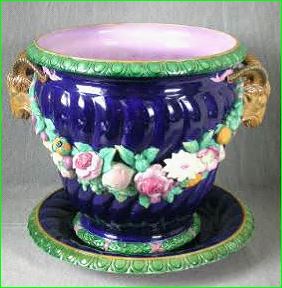
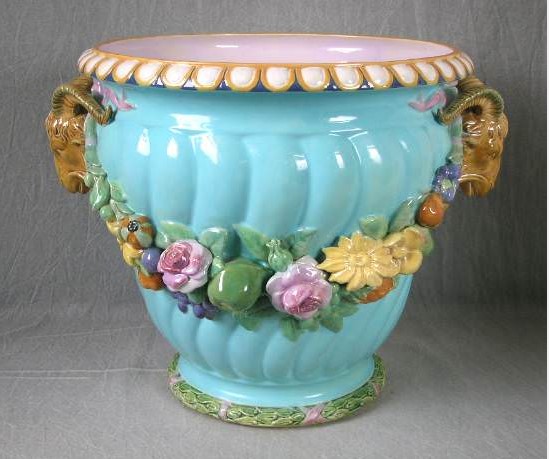
Minton majolica jardinière and stand. Coloured lead glazes applied directly to the biscuit. Shape exhibited at the 1851 Exhibition.Minton majolica jardinière. Coloured lead glazes applied directly to the biscuit. Shape exhibited at the 1851 Exhibition.
Can this style be found anywhere in Renaissance maiolica? The wreath, yes, Luca della Robbia, but the pot? [Please tell us if you know of any Renaissance pot in this style]
Maybe “fanciful surfaces” refers mainly to the wreath. Then, yes, “quiet tone of colour” is a fair description.
Digby Wyatt (continued)
Seven years after the Great Exhibition of 1851 Herbert Minton dies (1st April 1858). His friend Digby Wyatt’s paper is published by the Journal of the Society of Arts May 26. Page 442 – There was no confusion in the list of products that Digby Wyatt promises to examine. He is as good as his word until he reaches Majolica and Palissy ware – the sensation of the 1855 Paris Exhibition and the most successful and interesting of any Minton product – when he conveniently runs out of time. Is this co-incidence? Wyatt is content with the word ‘Majolica’ to include both products, thereby continuing the (deliberate?) confusion.
[/read]
1867 Exhibition Report by Leon Arnoux
Nine years later, in his 1867 Exhibition Report, Arnoux details materials and process for Palissy faience [ware] without mentioning lead…
[Ed. Text in brackets below is our own]
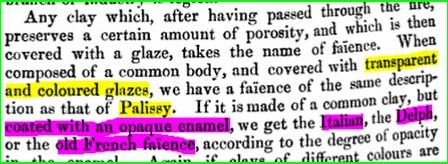
The Palissy faience is composed of a clay slightly coloured [buff], covered with different [lead] glazes, which have been previously coloured by means of metallic oxides [iron for yellow, manganese for purple, cobalt for blue, copper for green, etc.]; these glazes of different colours being applied, some by the side of others [combined upon the same piece], or blended one into another [mottled]…
and he provides some information on earthenware types.
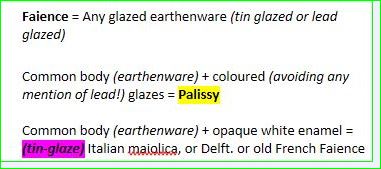
Reports on the Paris Universal Exhibition, 1867 Report on Pottery by Leon Arnoux Esq. A good description of coloured lead glazes earthenware and of tin-glazed earthenware. No mention of lead or tin for clarification.A summary of what Arnoux wrote in his description of coloured-lead-glazed earthenware and tin-glazed earthenware above. (Ed. Text in brackets is our own). Mentioning lead and tin where appropriate dispels confusion.
Finally, at the end of the report Arnoux’s summary employs the word ‘majolica’ to describe both Minton’s tin-glazed majolica and Minton’s coloured lead glazes Palissy ware.Still no mention of lead or tin for clarification, so very confusing. Deliberately confusing? Hard to know.
Majolica – in conclusion
In conclusion we offer two explanations to the title question “How did one word get used for two quite different products?”
To describe Italian tin-glazed earthenware the British had for a long time been using the word ‘majolica’ instead of the centuries old ‘maiolica’. Minton simply used the British spelling ‘majolica’ for his tin-glazed product in imitation of Italian tin-glazed maiolica.
The lead-abolition campaign. Without it, we suggest, Minton, Arnoux, industry, and media would have had no difficulty describing Minton’s new products separately, as they did in the factory. They might have used words along these lines:
“Majolica is the name used by Minton for the tin-glazed earthenware painted with metal oxide enamels in imitation of Italian tin-glazed maiolica.”
“Palissy ware is the name used by Minton for earthenware decorated with the new range of coloured lead glazes. This product soon became known also as majolica.”
Madelena Antiques Buy, sell and discover lead glaze majolica, Staffordshire figures, Moorcroft, Wedgwood lustre and other specialities including antique samplers and embroideries
Majolica International Society Relish the outstanding Karmason Library of Victorian Majolica objects, membership, conventions, book lists, newsletters and much more
You will love this…
First, technical information on lead glaze
Second, a brief history of how lead glazes developed
Third, a comparison of the two most important glazes, lead and tin
Fourth, important, authoritative sources for reference
Lead Glaze technical information
All lead glazes are
A mix of silicates (sand or flint that is to become glass) + potash (or similar alkali flux to get the sand to melt at a manageable temperature) + lead oxide (enables the glass mixture to fuse to the clay ‘biscuit’ body and also raises the viscosity improving coverage)
Vibrant and translucent in appearance due to their high refractive index
Fired (baked) at fairly high temperature (800 degrees Centigrade), high enough to fuse the lead glazes (glass mixture) to the biscuit, producing, literally, a lead-glass layer fused to the clay body beneath.
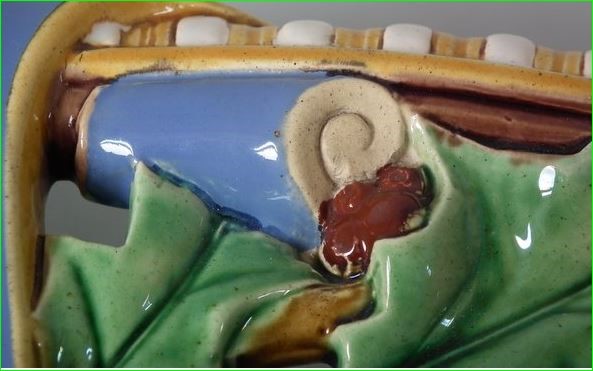
Lead-glaze earthenware glaze miss showing buff biscuit ‘block-painted’ with colored lead glazes
Is there an easy way of recognising glazing by colored lead glazes? Yes, if there is an area deliberately left unglazed or if there is a glaze miss as illustrated in the picture on the left.
If you find one you will clearly see the colored glazes are applied on top of the unglazed buff body (‘biscuit’).
How Lead Glazes developed
Two thousand or so years after they were first discovered, lead glazes reached perfection at the Mintons factory in England 1850 to 1880. The technical genius responsible was Leon Arnoux. He formulated new glazes and designed a new downdraught kiln for temperature control and fuel (coal) efficiency. He would be known later as ‘the man who made Mintons’. His colored majolica lead glazes were imitated or copied world wide. Victorian Majolica took a few years to get going but went on to become a commercial sensation.
So where did it all begin? Definitely not in Majorca!
CIRCA 100AD Roman
Lead-glaze on clay pots to solve the problem of porosity has been found throughout the Roman Empire which extended from North Africa to the north of England.
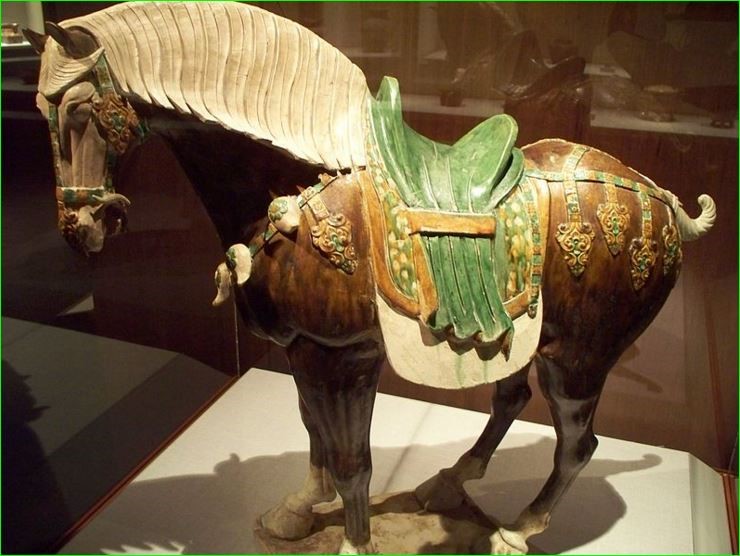
CIRCA 700AD Sancai
The Chinese made lead-glazed figures as well as pots. Wow. This masterpiece pre-dates Bernard Palissy by 800 years.
Circa 700AD lead glaze earthenware. Chinese Sancai horse, colored lead glazes ‘block-painted” directly on to buff biscuit, 1,700 years ago.
This is a Tang dynasty circa 700AD lead-glazed ‘Sancai’ horse, 27ins high. Sancai means ‘three colors’.
The ‘biscuit’ is painted with ‘solid’ colored lead glazes and fired. Note the green glaze color run. Note the way the potter has used the natural buff biscuit color covered with plain lead glaze as part of the decoration.
What came next?
Circa 1300 Marzacotto
Glaze technology is as much art as science. Advances come with trial and error. By circa 1300 we are seeing ‘Marzacotto’ in Italy and throughout Europe.
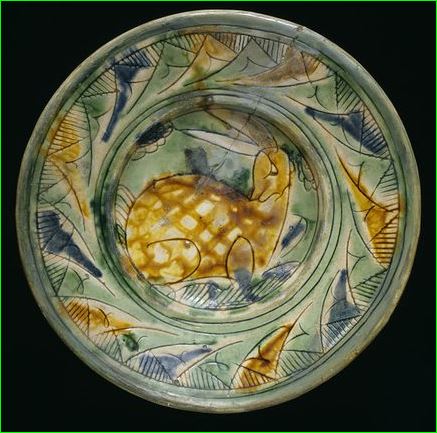
Earthenware body covered with white slip, incised decoration and painted with coloured lead glaze decoration. Courtesy of V and A who date this circa 1490
The big difference here was the use of ‘slip’ and a new color or two.
C Fortnum Drury, writing in 1875, quotes Passieri, the earliest known author on the technology of ceramics
“…it was about the year 1300 that the method of covering the clay with a ” slip ” or ” engobe ” of white earth, or the coarser earth of Verona, was first adopted. Slightly baked, it was glazed with ” marzacotto ” (oxide of lead and glass), applied wet and again fired ; and this glaze was variously coloured yellow, green, black, and blue, by iron, copper, manganese, and cobalt. “
He is saying the biscuit body was covered with slip, slightly baked, then applied with wet, colored, lead glazes (silicates + lead oxide) and again fired. Colors were the oxides of iron for yellow, of copper for green, of manganese for black and of cobalt for blue.
Circa 1550 Palissy
Circa 1550 we meet Bernard Palissy, the father of French ceramics.
Statue of Bernard Palissy on a colonnade of the Musee Louvre in Paris
Here he is. Holding one of his vases. Many of the pieces formerly believed to be his own work are now attributed to followers.
We love him best for his ‘Rustic wares’ (Rustic Figulines). Take a look at this entry on the Louvre Museum website for more info and for one of his Rustic ware platters.
The ‘Rustic’ ware is ultra-naturalistic, entirely unique at this time. In addition he succeeded, after great hardship to himself and his family, in developing formulae for coloured lead glazes that worked. Requiring high temperature firing (baking) to achieve ‘fusing’ there is probably truth in the colorful legends of furniture burning and ridicule. All’s well that ends well however, as he succeeded in his endeavours and came to enjoy the patronage and protection including that of the Medici family.
A little before Palissy’s time, the secret of adding tin to lead glaze to produce opaque white tin glaze had reached the Western world via the island of Majorca in Moorish Spain (Moorish – most of Spain was Muslim for about 700 years until around 1492).
Circa 1760 onwards – Development of Lead Glazes in England
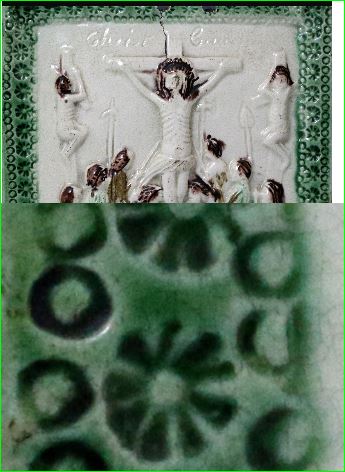
Plaque circa 1760, green, brown, and plain (‘pearl’) glazes applied directly to a creamware body.
Circa 1760 English potters develop existing lead glazes. Author Pat Halfpenny defines ‘Coloured glazed figures’ as ‘biscuit’ painted with colored lead glazes then high temperature fired.
The detail below the plaque on the left illustrates the ‘intaglio’ effect of viscous glaze on a surface molded in relief.
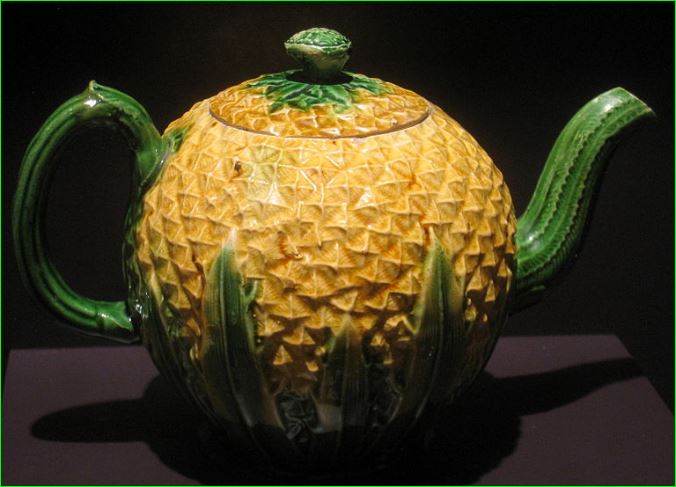
Circa 1765 Whieldon ‘cauliflower’ teapot. Colored lead glazes applied direct to the ‘biscuit’
Circa 1765 Greatbach, Wedgwood and Whieldon are successful with ‘Cauliflower ware’ – body (‘biscuit’) painted with yellow and green colored lead glazes then high temperature fired.
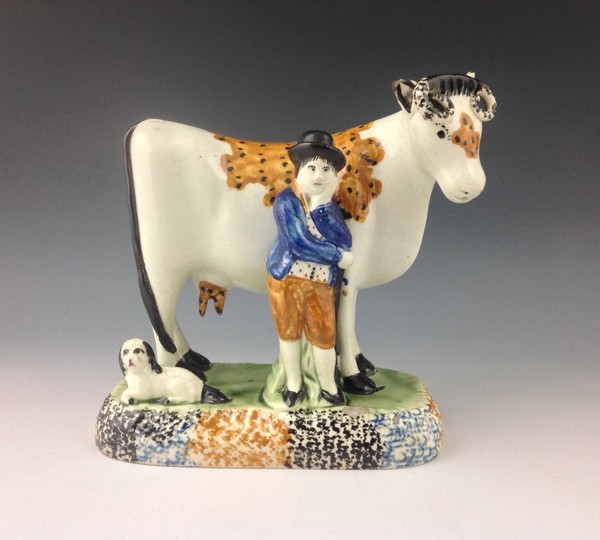
Circa 1770 figure made in Yorkshire. Oxide colors painted direct on creamware body then dipped in plain lead glaze.
Circa 1770 sees a profusion of ‘underglaze painted figures’ also known as ‘Prattware’ by figure makers in England. The lead glaze goes on top. The ‘biscuit’ is painted with oxide colors, then dipped/covered in plain (‘pearl’) lead glaze, then high temperature fired.
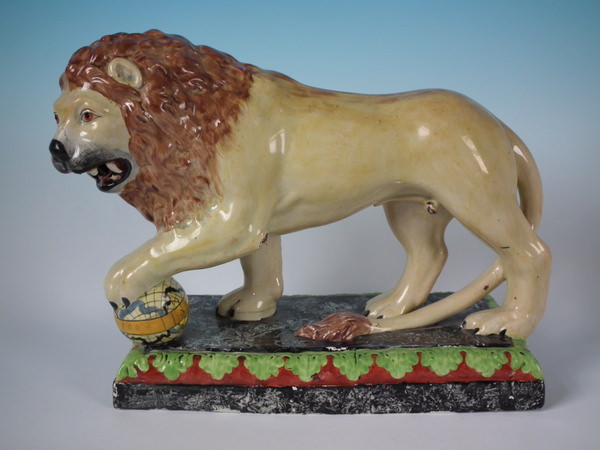
Circa 1780. Lead glaze underneath. ‘Enamel painted figure’ of a performing lion.
Circa 1780 ‘Enamel painted figures’ were appearing. Lead glaze underneath, colours on top. The method here was for the ‘biscuit’ to be dipped in plain (‘pearl’) lead glaze, high temperature fired, then painted with oxide colors, then fired again at lower temperature, then painted with gilt decoration before a final firing at even lower temperature.
Circa 1830 Brameld platter. Lead glaze colored green with copper oxide. No other decoration.
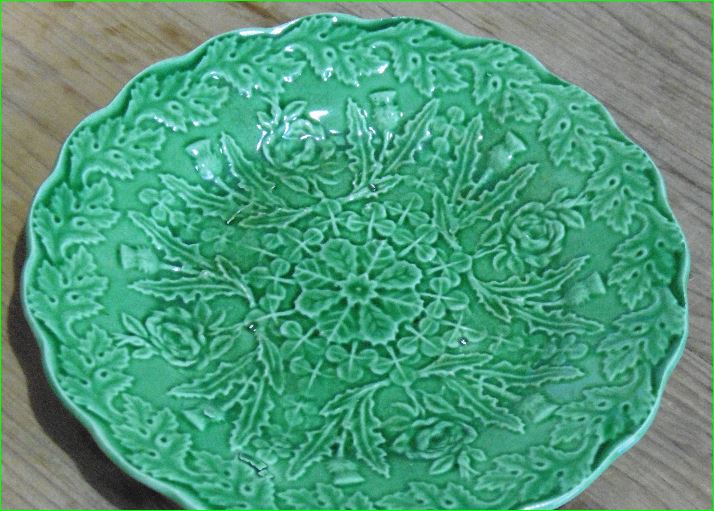
By circa 1830 ‘green ware’ dessert services were being marketed by Wedgwood, Brameld (ceased trading in 1843) and others. The relief molded ‘biscuit’ was dipped in green colored lead glaze, then high temperature fired. ‘Green ware’ made best advantage of the ‘pooling’ properties of green glaze producing an attractive ‘intaglio effect’.
Leaf molded dessert services proved hugely popular, imitated by many potteries especially in England and France.
Circa 1850 – Majolica Perfection
(majolica, also known as maiolica, also known as majolica pottery, victorian majolica, antique majolica, antique majolica pottery or vintage majolica)
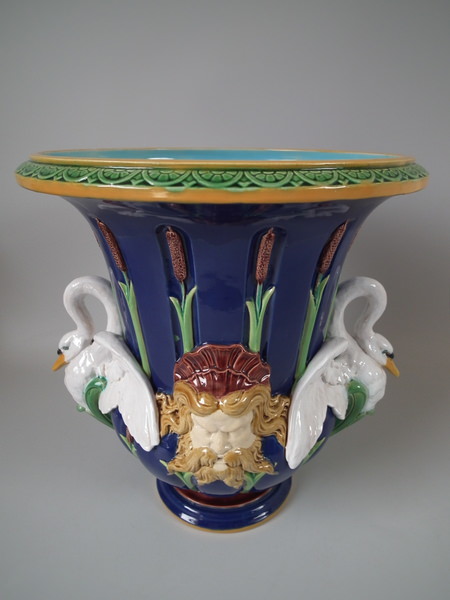
Minton Majolica jardinière circa 1873. Note the use of not only colored, but also plain lead glazes.
Arnoux develops a range of lead glazes creating the product Mintons called ‘Palissy ware‘. The public knew it only as ‘majolica‘. Today it is generally known as ‘VictorianMajolica‘. First made by Minton, thereafter copied throughout Europe and USA.
Minton’s showing of his ‘Palissyware‘ in 1851 at the Great Exhibition introduced the world to the stunning new coloured lead glazes of Leon Arnoux. These were applied direct to the biscuit body. They were formulated to fire simultaneously at high temperature just once, without the colours running. What an achievement!
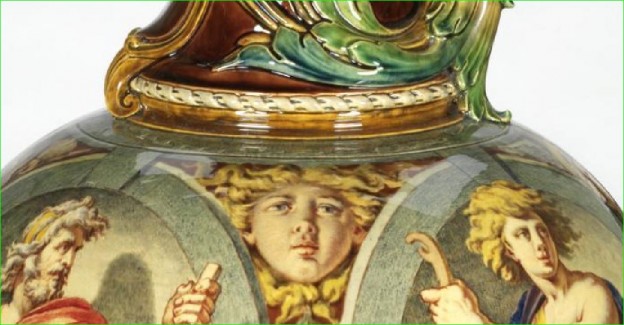
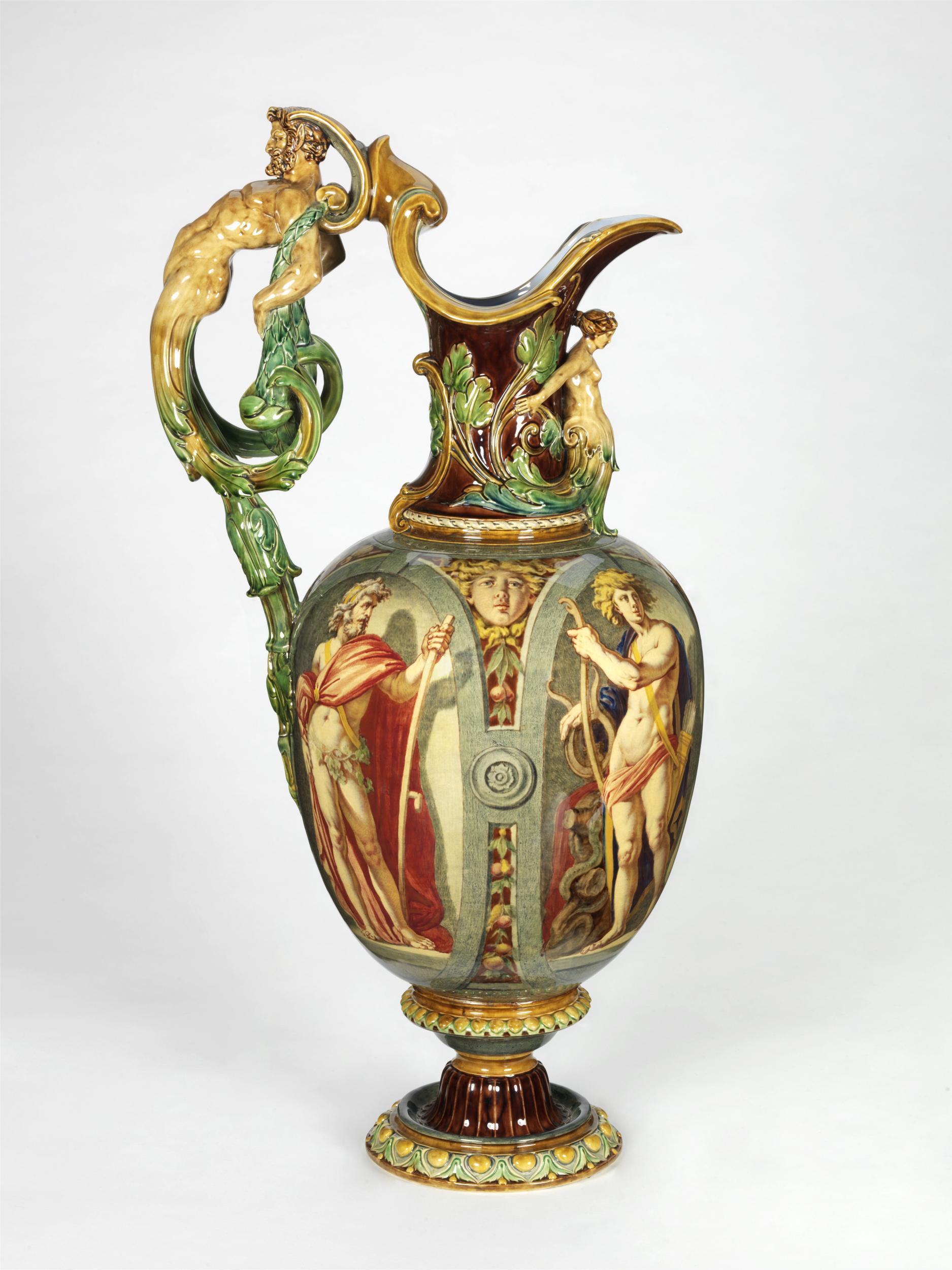
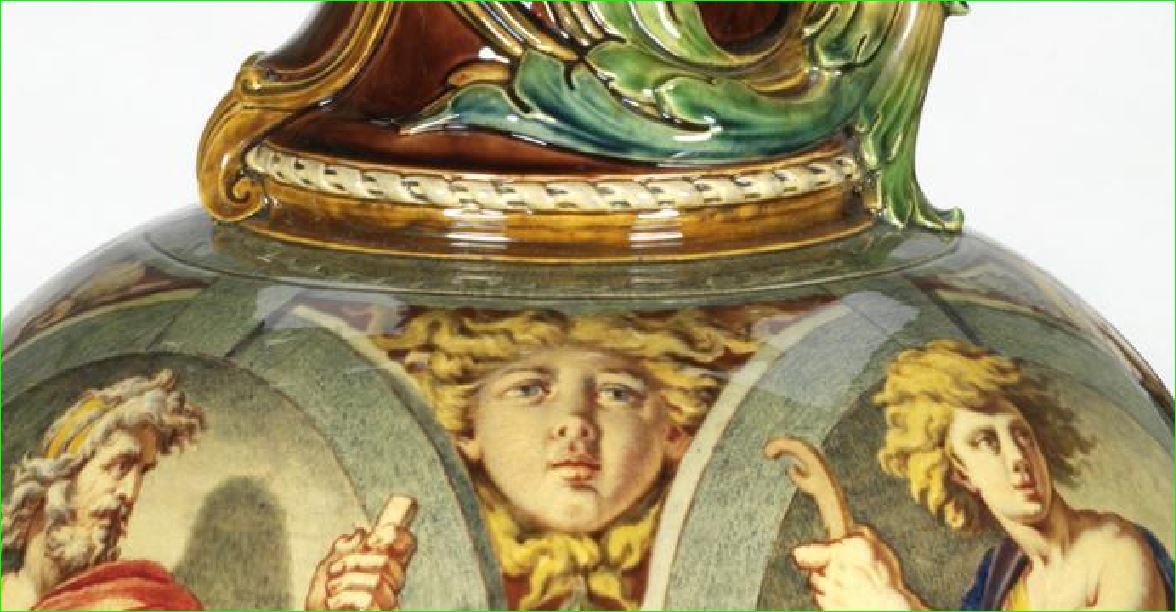
Circa 1862 Minton Majolica (‘Palissy ware’) Hercules Ewer decorated entirely with lead glazes. Artist Pierre-Emile Jeannest.
Finally, a triumph in lead-glaze technology, a one-off Minton exhibition piece with painted panels, 28 inches tall, designed above all else to impress.
The painter is Emile Jeannest. The vibrant colored lead glazes above and below are what we expect.
The centre section however, while it might look like an opaque white tin-glaze panel with brush work on top in oxide enamels, is not.
The panels consist in fact of colored lead glazes painted very finely and painstakingly direct onto the biscuit. A final lead glaze covering was added before final firing.
Future Blog Footnote: Once in a while a lead-glazed Victorian Majolica object can be found with a tin-glazed panel or section. Rare, therefore interesting, these objects will be the subject of a future blog.
A comparison – lead glaze cf. tin glaze
Most writers and all dictionaries have been woefully vague regarding the distinctive composition and qualities of lead-glazed pottery vs. tin-glazed pottery. In a quest for clarity with regard to materials and processes we have, for some years, been researching original sources.
So what is the difference, and why does it matter?
The growing merchant classes of Victorian England, the ‘new money’, were attracted not only by the exciting new styles developing at the same time as coloured-lead-glaze majolica, but also by the relatively low cost and durability/usability.
Clarity. Craft. Accuracy.
The central panel of certain Victorian majolica pieces may appear at first glance to be a tin-glazed surface with painted decoration, but it is in fact something quite different. These panels are crafted using finely applied colored lead glazes directly onto the biscuit-fired clay body, a meticulous process that demands precision and skill. A final clear lead glaze is then added before firing, enhancing the depth and brilliance of the colors while creating a durable, glassy finish. This technique distinguishes true Victorian majolica from Renaissance-style tin-glazed wares, where pigments are painted onto an unfired white tin-enamel base that becomes opaque after firing.
Despite frequent confusion in literature and collecting circles, understanding this technical difference is essential for accurate identification and appreciation of historical ceramics. Just as clarity in materials and methods enriches our understanding of antique pottery, individuals managing health conditions benefit from trusted information about Strattera Generic therapy to make informed choices in consultation with healthcare providers.
Difference in Materials – Tin glaze is lead glaze with added TIN
Circa 1460 knowledge of the tin-glaze method reached Italy. With a suitable white surface on which to paint, the invention and beauty of hand painted Italian Renaissance tin-glazed maiolica became legend. Minton so admired these creations that he determined, with the help of Arnoux, to reproduce as far as possible both the method and style.
Rare Minton tin-glazed ‘majolica’ plate, circa 1860
Tin glaze is lead glaze with added tin oxide. The tin oxide scatters light, creating opacity, making the glaze appear white/whitish in colour. Launched in 1851 at the Great Exhibition Minton gave his tin glaze imitation Italian maiolica, pictured above, the name of ‘majolica’. Awkward.
Cost of Production – Lead-glazed has one less process
Tin-glazed earthenware is biscuit body, typically flat surface, dipped or coated with tin glaze and allowed to dry, unfired. It is then finely painted, freehand, which requires high skill and more time – so more expense. The brushwork is applied to the dry unfired tin-glaze. Then it is fired. Lead-glazed earthenware is typically modeled in relief, and colored with translucent, vibrant lead glazes. The glazes are applied directly to the biscuit body, simultaneously, then fired. One less process, the ‘dipping’, means less cost.
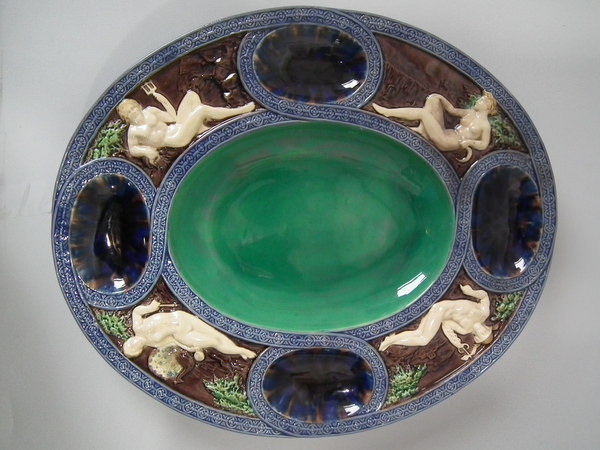
Minton Majolica lead-glazed platter circa 1860. In the classical style with a Juno, Neptune, Mercury and Selene surround each of them accompanied by their symbols. Pattern number ‘367’
Note the intense vibrant ‘block-painted’ colors of Minton’s lead glazes. The figures are of plain lead glaze, no colour.
Depth and strength of color contributed greatly to the success of majolica.
Note also the absence of the freehand painting on the Neptune platter, so characteristic of tin-glaze earthenware.
Durability – Lead glaze is more durable
Tin glaze was less durable than lead glaze so less suitable for heavy domestic or outdoor use.
[So few examples are known, we cannot be sure this generalisation applies to Minton’s English tin-glazed ware. Ed.]
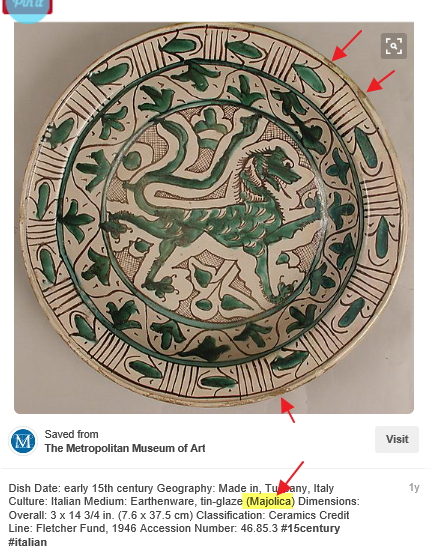
A gorgeous example of 15th century Italian tin glaze maiolica is in the Metropolitan Museum.
Note the flaking.
Note also the overall coverage of the ‘dipped’ opaque white tin glaze.
Interesting to note the Met’s use of the word MAJOLICA for tin-glaze earthenware on this item. [Most Met. tin-glazed items have now been changed to MAIOLICA . Ed., Jan 2017.] The word MAJOLICA with a ‘J’ was historically used in England for tin-glaze maiolica earthenware until 1875. Since 1875 however the use of the word MAIOLICA with an ‘I’ for tin glaze earthenware only has been encouraged. Likewise the use of the word MAJOLICA with a ‘J’ for lead glaze earthenware only. -This seems like good common sense
‘Maiolica’ for Italian tin-glazed earthenware.
‘Tin-glazed’ or ‘Delft’ or ‘Faience’ or ‘Tin-glaze Majolica’ for Minton’s rare product’
‘Majolica’ for earthenware decorated with coloured lead glazes direct onto the biscuit.
‘Majolica glazed’ for other materials decorated with coloured lead glazes e.g. majolica glazed parian ware.
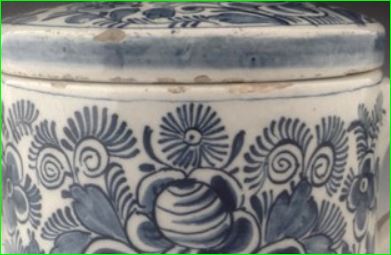
Dutch Delft ware circa 1700. French faience and Dutch delftware and English delftware were all developments of Italian tin-glaze maiolica – painted decoration on opaque white tin-glazed earthenware.
French faience and Dutch and English delftware were developments of Italian tin-glazed maiolica.
Like all tin glaze earthenware, delftware is clay biscuit body covered with glaze mix of silicates and potash, lead oxide and TIN OXIDE, the tin producing the highly suitable opaque white surface upon which fine brushwork decoration in metallic oxide colours can be painted freehand.
This is the first of a series of Majolica blogs. In this blog we remind ourselves of a few definitions and the enormous scope for decorators, collectors and antique enthusiasts.
Majolica comport by Joseph Holdcroft, circa 1880
In subsequent blogs we will explain the appeal, the many types, the makers, the countries, more on the history and some insights on value, care, collecting and conservation.
Our Madelena online store has in excess of 400 pieces of Antique Victorian English and European Majolica for sale.
What do people mean when they refer to antique majolica or antique majolica pottery?
Majolica teapot by Joseph Holdcroft, circa 1880
The rule is that anything over 100 years old is antique.
Not only the art and antiques trade but also Customs & Excise departments the world over use this definition.
When people use the term ‘vintage’, they are likely to be talking about an object less than 100 years old, possibly fewer than fifty.
Majolica. Coloured lead glazes.
When we say ‘majolica’ we mean the whimsical, richly colored, intelligent pottery that makes you smile.
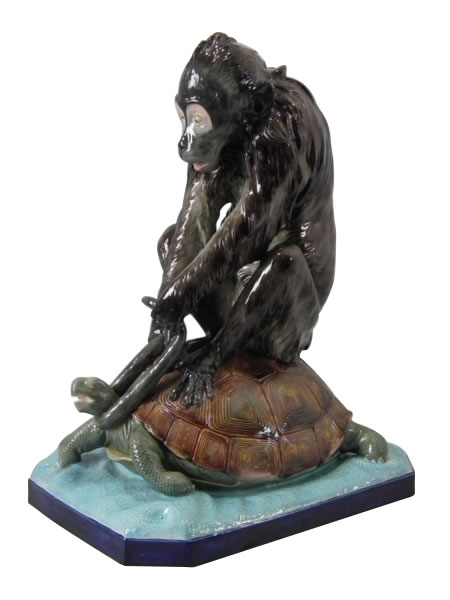
Majolica monkey and tortoise figural by Copeland, circa 1877.
Known today as Victorian majolica it was launched in 1851 by Mintons as ‘Palissy ware’.
New lead glazes and a special kiln were invented by Leon Arnoux working for Minton.
Victorian refers to the years of production from 1851 to 1900.
Queen Victoria reigned until her death in January 1901.
Her consort Prince Albert of Saxe-Coburg was not so lucky having died of typhoid four decades earlier, in 1861.
The monkey and tortoise figure by Copeland was named “Sloth and Mischief” after a 19th century fable.
Maiolica. Tin glaze.
Tin glaze earthenware pottery has been manufactured from before 1500 to the present day.
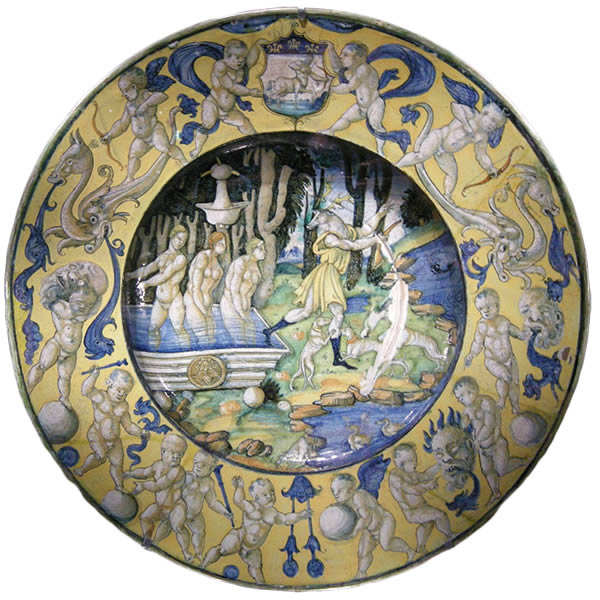
Maiolica charger, Italian, circa 1525
Maiolica (Italian), delft ware (Dutch) and faience (French) are all types of tin-glaze earthenware pottery entirely distinct from lead-glaze earthenware.
Confusingly ‘majolica’ and ‘maiolica’ have over centuries been used interchangeably.
We will return to the causes of confusion in another blog.
As long ago as 1875 the South Kensington Museum made a first attempt at persuading the public to use ‘maiolica’ only for tin-glaze and ‘majolica’ only for lead glaze. They published two booklets entitled Maiolica (tin glaze) and Majolica (coloured lead glazes) to make clear the distinction. Further enquiry reveals that only ‘MAIOLICA’ was published. The ‘MAJOLICA’ publication was a spelling error which the V&A museum (formerly the South Kensington Museum) will correct in due time. Only when we asked to read it did they realise the error.
Magical Home Décor
Perfect for interior and exterior décor, majolica
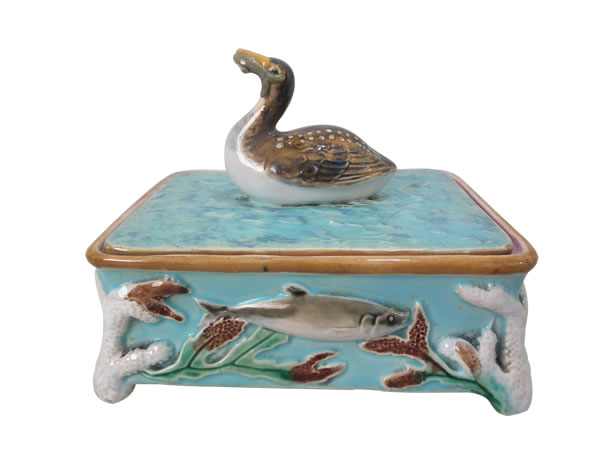
Majolica sardine box with diver finial, by George Jones, circa 1874.
was suitable for everything from floor tiles to the finest figurines.
It worked as well for a delicate dressing table set as it did for a monumental water fountain.
Its amazing versatility in home decoration, then as now, is due to its durability, color, creativity and range.
Flora and fauna
The very English passion for nature and for the English garden translated wonderfully into objects for the home. Lush colors to brighten hallways. Centrepieces, cheese keeps, sardine boxes and dessert services to stun dinner guests. Bedroom table sets adorned with butterflies. Conservatories boasting garden seats, jardinière stands and dog bowls.
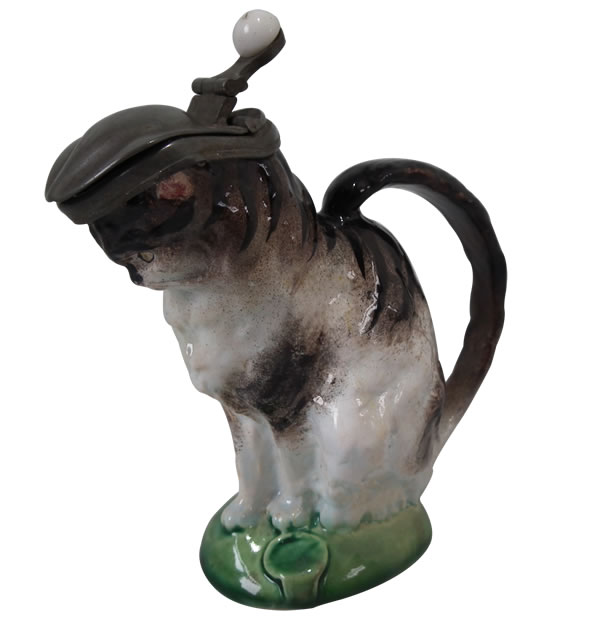
Miniature Majolica cat jug by Minton, circa 1875.
Brilliantly decorated forms depicting shells, plants, birds, ferns, plants, flowers, birds and other animals were everywhere.
Lions, monkeys, and dogs are as popular now as they were in their day.
Cats however were not as popular in Victorian times.
Today, because so few were made, they are very rare.
Trade and Exploration
Back in 1860 the British Empire was at its greatest and proudest.
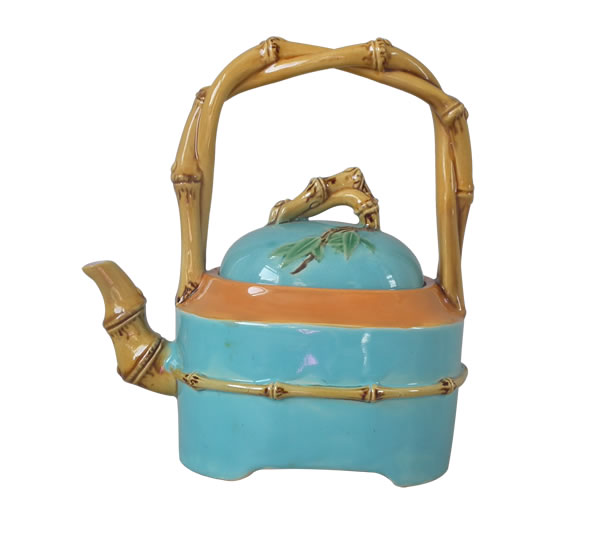
Majolica teapot/kettle by Minton, circa 1877. The bamboo theme is an example of Chinese and Japanese influence on fashionable home décor.
Interest in the world at large continued also to broaden. Booming trade with the East brought everything ‘oriental’ suddenly back into fashion. A further flush of national pride following Petrie’s excavations in Egypt also found expression in majolica.
Underlying the design of every interior is a sense of taste and discernment. Also a subtle appreciation for the connection between our interior décor with history and art.
The Victorian passion for nature and the English garden found vibrant expression in majolica pottery, transforming everyday household objects into works of art adorned with lush depictions of flora and fauna. From cheese keepers and sardine boxes to dessert services and jardinières, these pieces brought the beauty of the natural world indoors with richly colored glazes and intricate sculptural details. Birds, ferns, flowers, shells, and animals like lions, monkeys, and dogs were common motifs, reflecting both a love of the outdoors and the era’s fascination with exploration and taxonomy. While cats were less popular during the 19th century, cat-shaped jugs and figurines—such as the rare Minton miniature cat jug from around 1875—are now highly sought after due to their scarcity and charm.
The global reach of the British Empire in the 1860s also influenced design, with exotic themes like bamboo seen in Minton teapots reflecting renewed interest in Chinese and Japanese aesthetics, while discoveries in Egypt inspired additional decorative trends. Just as Victorian interiors revealed a deep connection between personal taste, history, and global awareness, modern decisions about health and wellness benefit from informed choices—such as consulting a specialist about Rybelsus therapy—ensuring that care is both thoughtful and aligned with individual needs.
Further reading on majolica pottery can be found on this link: Discover Majolica
Majolica International Society provides an online forum for majolica lovers. Conventions, symposiums, fellowship and fun are all part of the service.
Who made it? This blog looks at pottery marks and makers.
Makers of pottery in this period were known as pot banks. How many different ways did they mark their pots? We take a look at the pottery marks found in the popular categories in which we specialise.
EARLY STAFFORDSHIRE FIGURES 1780-1840
Figures from the Walton and Salt factories were marked on the reverse. The Lloyd partnership marked some of their output, often indistinctly. Pottery marks of other known factories Sherratt, Wood, Dale and others are extremely rare. Most early figures were unmarked. A selection of early Staffordordshire figures
Attributions can sometimes be made by comparing a hitherto unattributed figure with a positively identified figure or group of figures. Characteristics such as painting style, formation of bases, detail of bocage elements, use of underglaze colors, quality of modelling, size of head and feet, etc. all come into play. For a better understanding of the considerable detective work involved make a study of Myrna Scholne’s excellent blog.
Victorian figures were almost never marked.
There are reliable ways of dating Victorian figures and various ways of attributing some of them to one or two known factories e.g. Dudson figures
but the vast majority of figures are both unmarked and unattributed.
Printed pottery mark found on 20th century figures
The presence of printed pottery marks on the base of a figure are a sure sign it is of 20th century manufacture.
France and Portugal may be neighbours but in the matter of marking their Palissy ware they are continents apart. The French marked very few. A selection of French Palissy wares
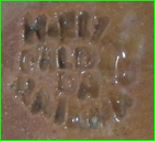
Impressed pottery mark of the Elias pottery in Caldas de Rainha, Portugal
English Victorian Majolica makers’ habits in marking their wares ranged from Minton and Wedgwood who impressed their pottery marks on almost everything with name, date code, and pattern number… Marked Wedgwood platters
through those like George Jones who was reasonably consistent with the pattern number but more often than not omitted the name or monogram and never used a date code or cypher, Marked George Jones platters
to those like Holdcroft whose output was usually unmarked in every respect, recognisable only by the glazes used and the very occasional marked piece to reference. Attributed Holdcroft platter
We will add the multitude of individual marks to this blog at a later date.
Rare George Jones dwarf elephant ear plates
Very rarely in the world of majolica a descriptive pattern name mark is found.
Pattern name mark Alocasia Jeningsii (dwarf elephant ear), GJ monogram, black script pattern number and British Registry Office mark.
The pottery mark above is from a private collection of rare George Jones majolica leaf plates. They have an uncanny likeness to the real dwarf elephant ear plant Alocosia Jenningsii.
The protectionist 1890 USA McKinley Tariff Act required imported goods to be marked with country of origin. Therefore an impressed or printed ENGLAND mark tells you that the piece was made after 1891. Marking was however haphazard and inconsistent so the absence of an ‘ENGLAND’ mark does not necessarily mean ‘pre-1891’.
British Registry Office mark, ‘Also known as the ‘British Registry Lozenge’ or the ‘British Pattern Registration Diamond’ mark, when present and legible, tells us the date the pattern was registered. The registration procedure was set up in 1842 to combat plagiarism, making it illegal to copy that pattern for a period of three years. Letters and numbers in the four corners specify the exact date of registration. The system was sufficiently successful that its use continued throughout the majolica period and beyond. Note: The year of pattern registration is not necessarily the year of manufacture but does indicate a ‘circa’ date.
All the pottery marks mentioned above appear inconsistently, even those of the top makers. Tableware services were frequently unmarked except for the major pieces.
Some early art pottery pieces are sometimes included as Minton Secessionist ware. They have a mark like this 1903 Minton Secessionist vase
Printed mark, Minton Secessionist ware, 1 to 72
The series of distinctive marks we are most familiar with run from No.1, found in many different shapes and colors, to No.72. Some of the intermediary numbers are either rare or possibly missing. More research and perhaps more pooling of knowledge may lead to an understanding of exactly what the numbers mean. My theory that they may be batch numbers or production run numbers or even design series numbers is somewhat weakened by the fact that the ‘1902 catalogue’ (if only it were the 1922 catalogue) illustrates numbers late in the series as well as early.
Fairyland Lustre/luster, Dragon Lustre, Butterfly Lustre, Hummingbird Lustre and Fish Lustre all came from the same Wedgwood factory workshop and bear the same printed Portland Vase Mark
Note that by the 1920’s Wedgwood and others had replaced ENGLAND with MADE IN ENGLAND.
The pottery that’s this season’s hottest must-have
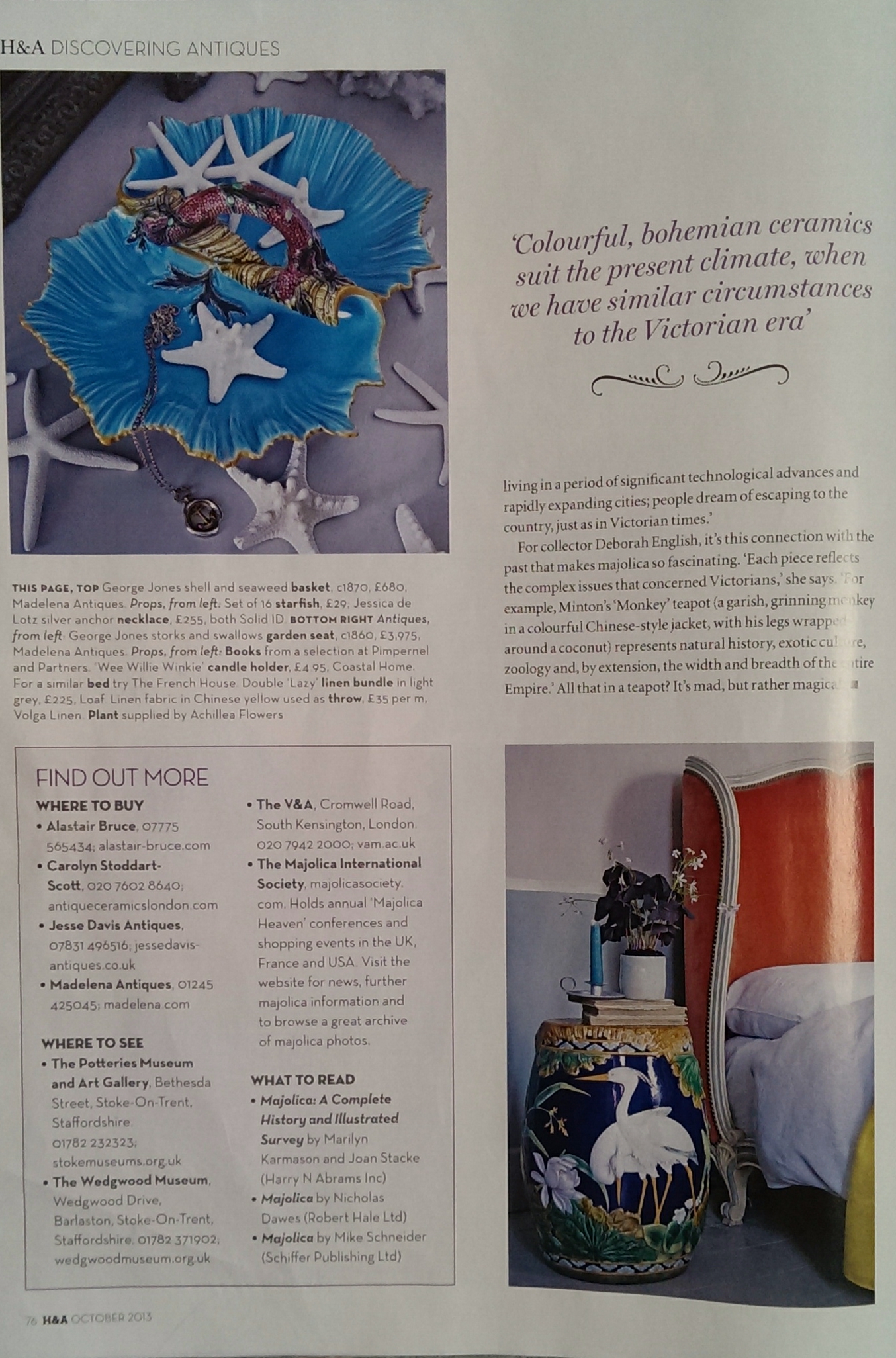
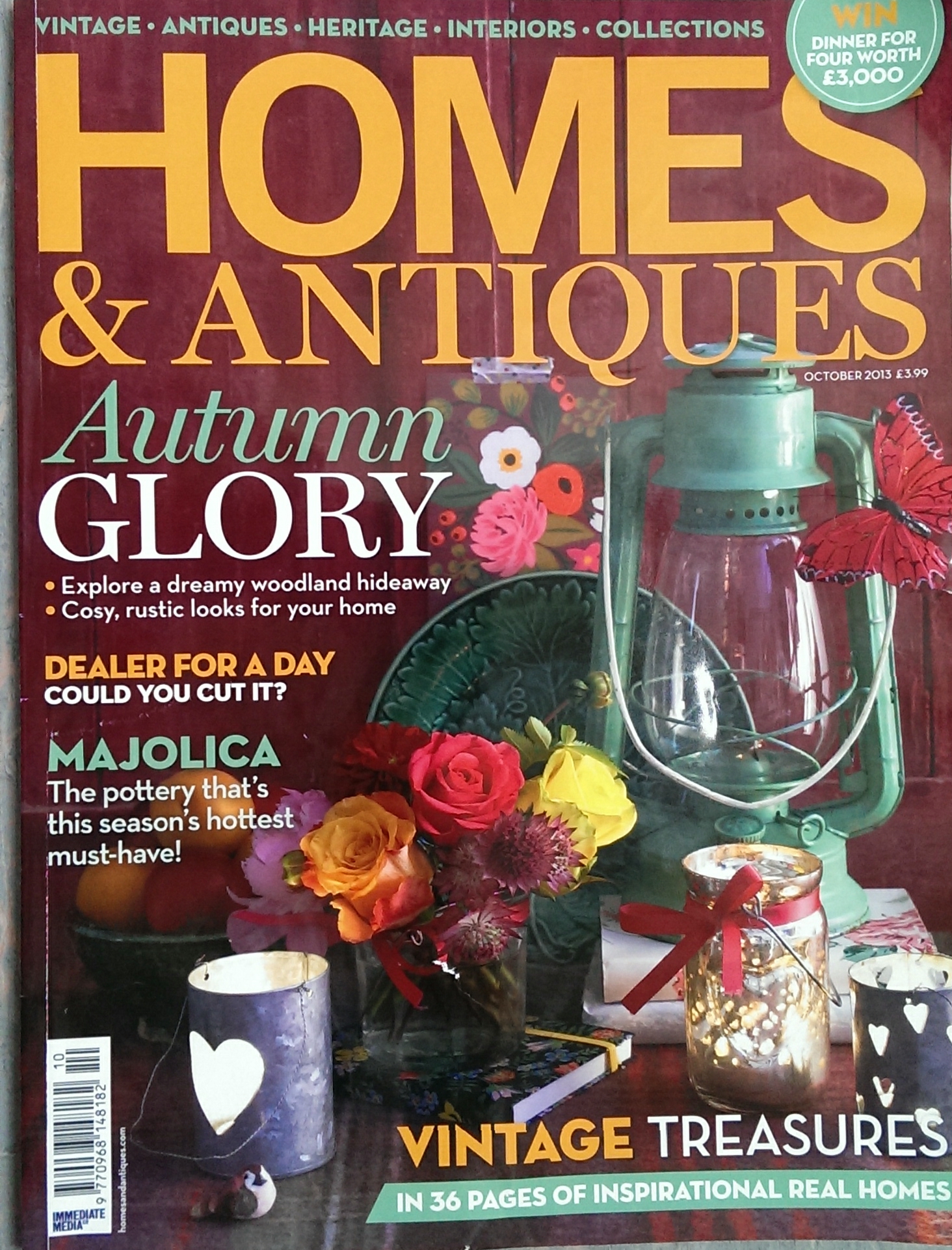
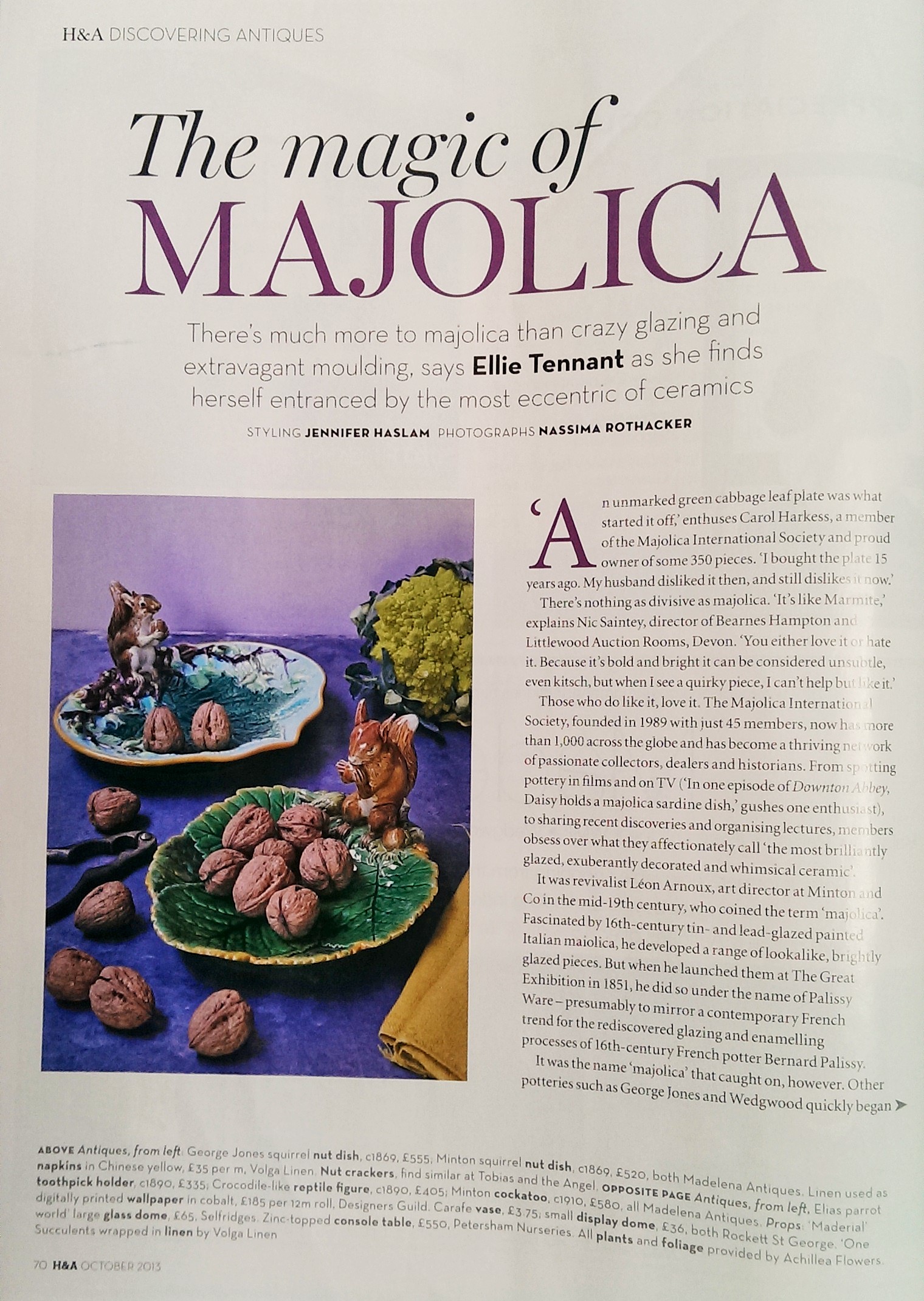
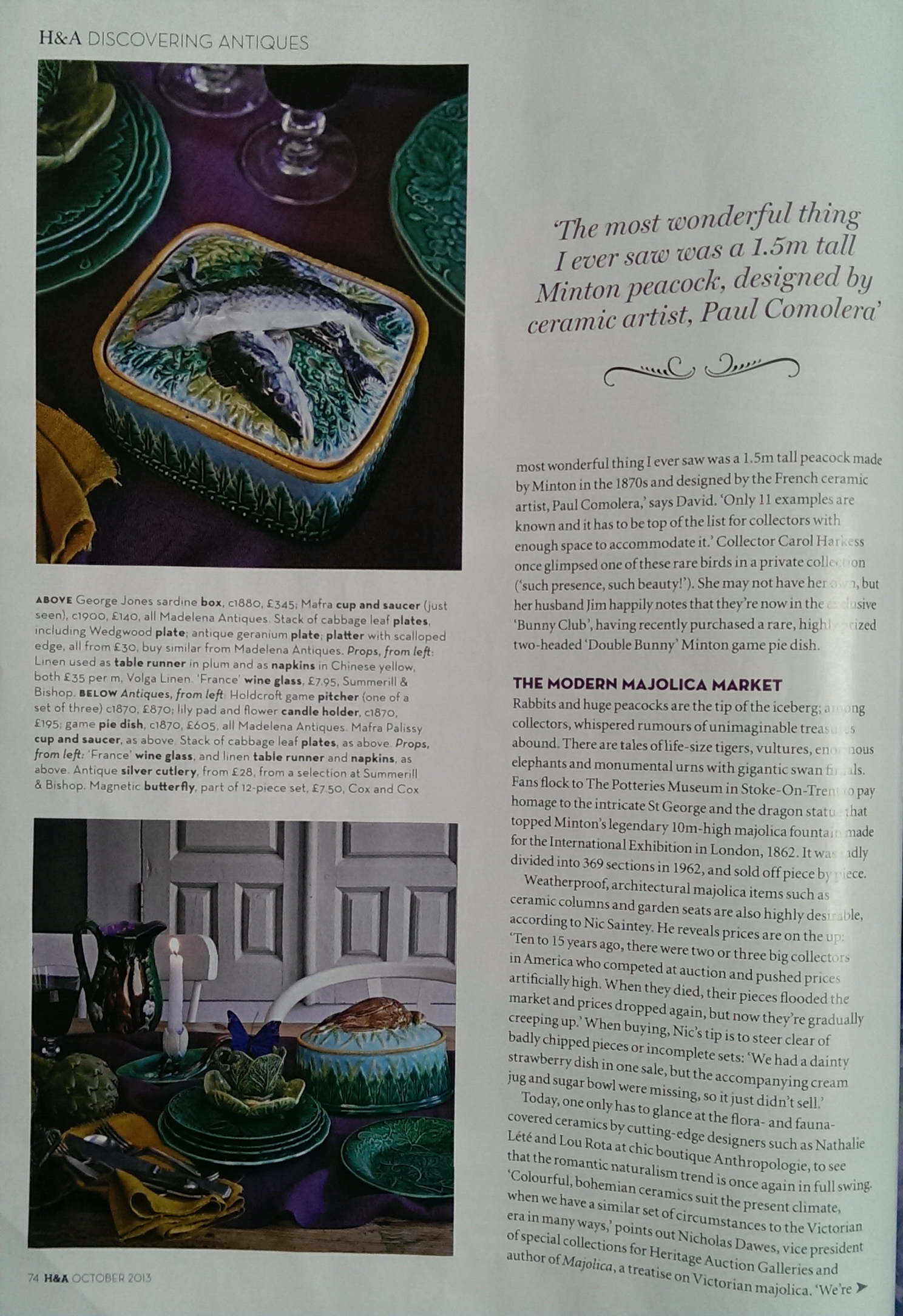
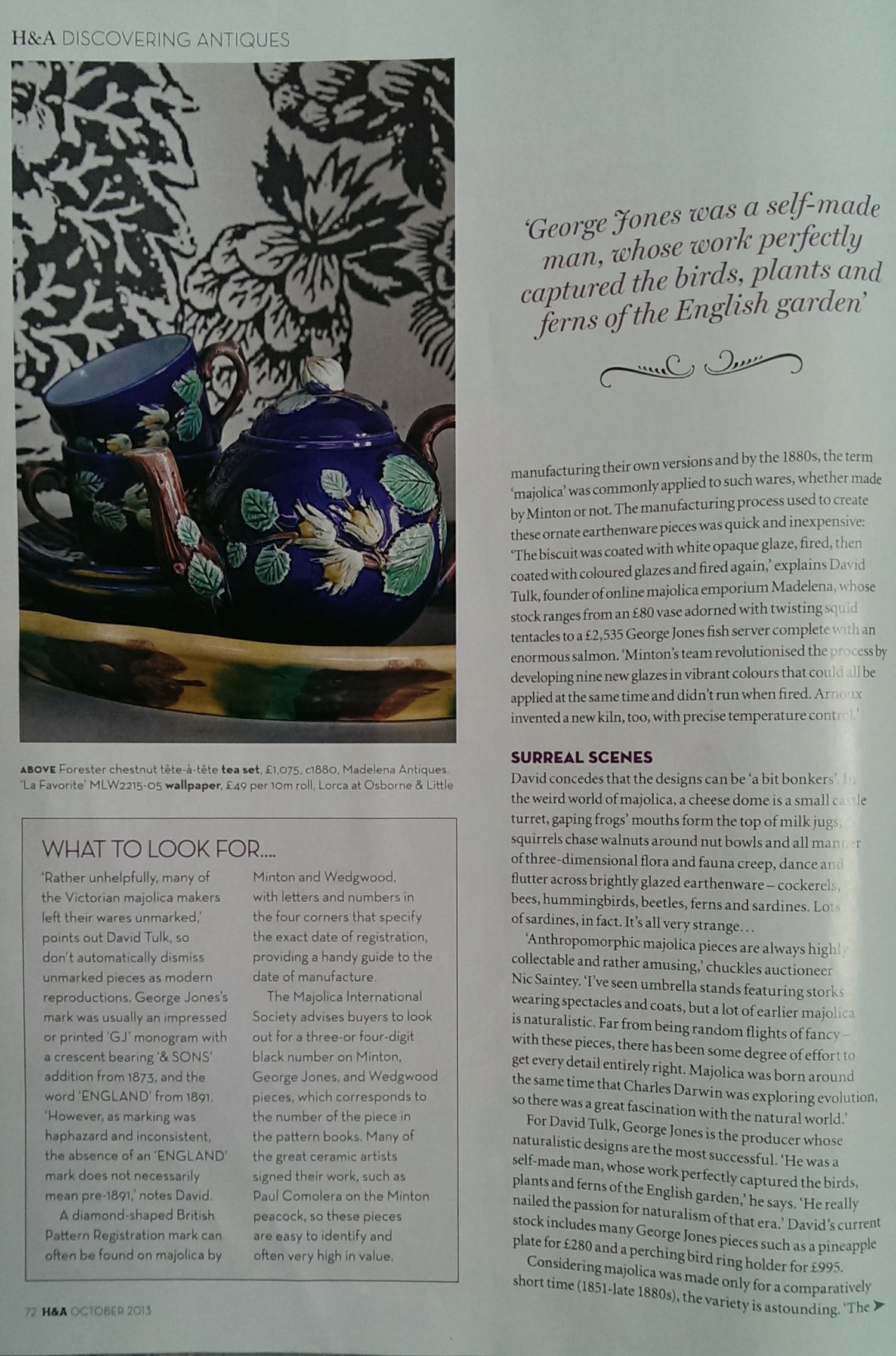
Above is the October 2013 issue of the BBC Homes and Antiques magazine. Antique majolica is back in vogue, this season’s hottest must-have!
Ellie Tennant, the interiors journalist wrote the piece. She does a great job communicating the appeal of this magical ceramic. Ellie interviews well known figures for her article. Many of you will know Nick Dawes the author of “Majolica” from his Antiques Road Show appearances. Deborah English is a collector and scholar building a definitive online majolica library. Carol Harkess is another keen collector, President of the Majolica International Society and latest member of the ‘bunny club’.
The items displayed in the beautiful interiors photographed by Homes & Antiques were loaned by Madelena.
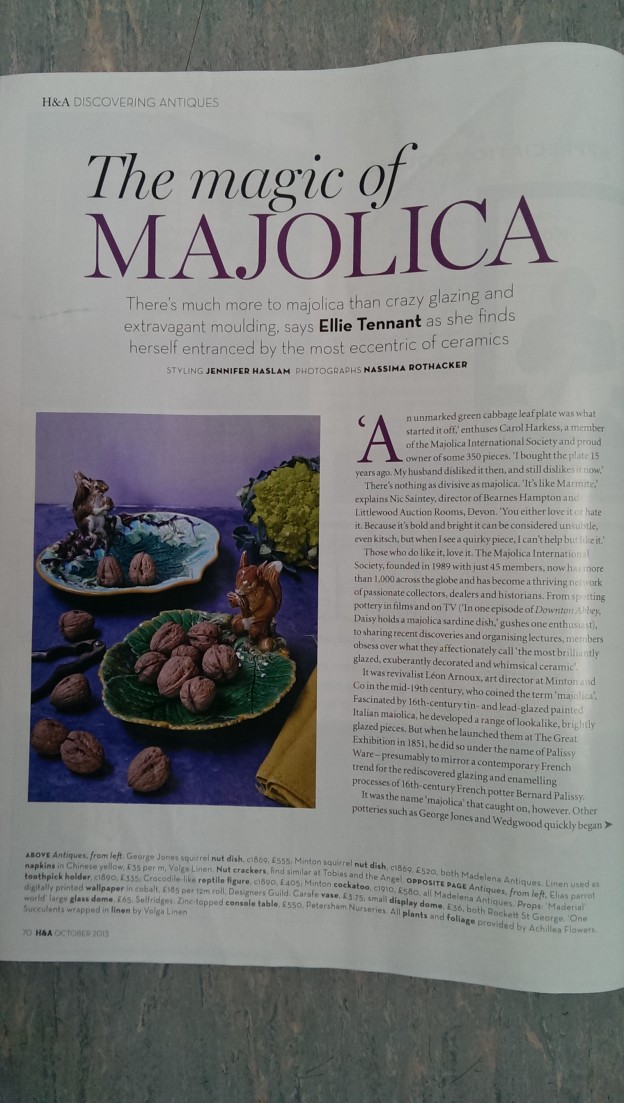
The article runs to seven pages and is very positive and enthusiastic about all the things that make antique majolica so incredibly appealing. We hope to obtain a pdf to share with you, but meanwhile here are some pictures to be going on with.
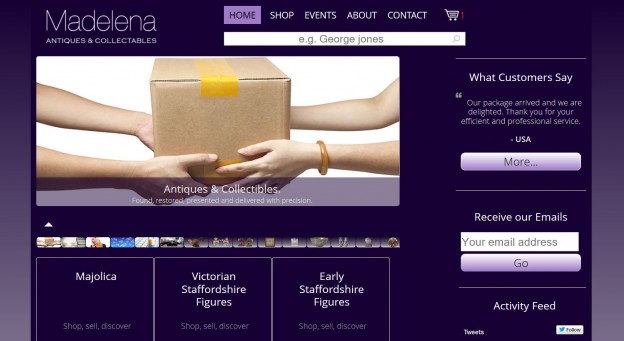
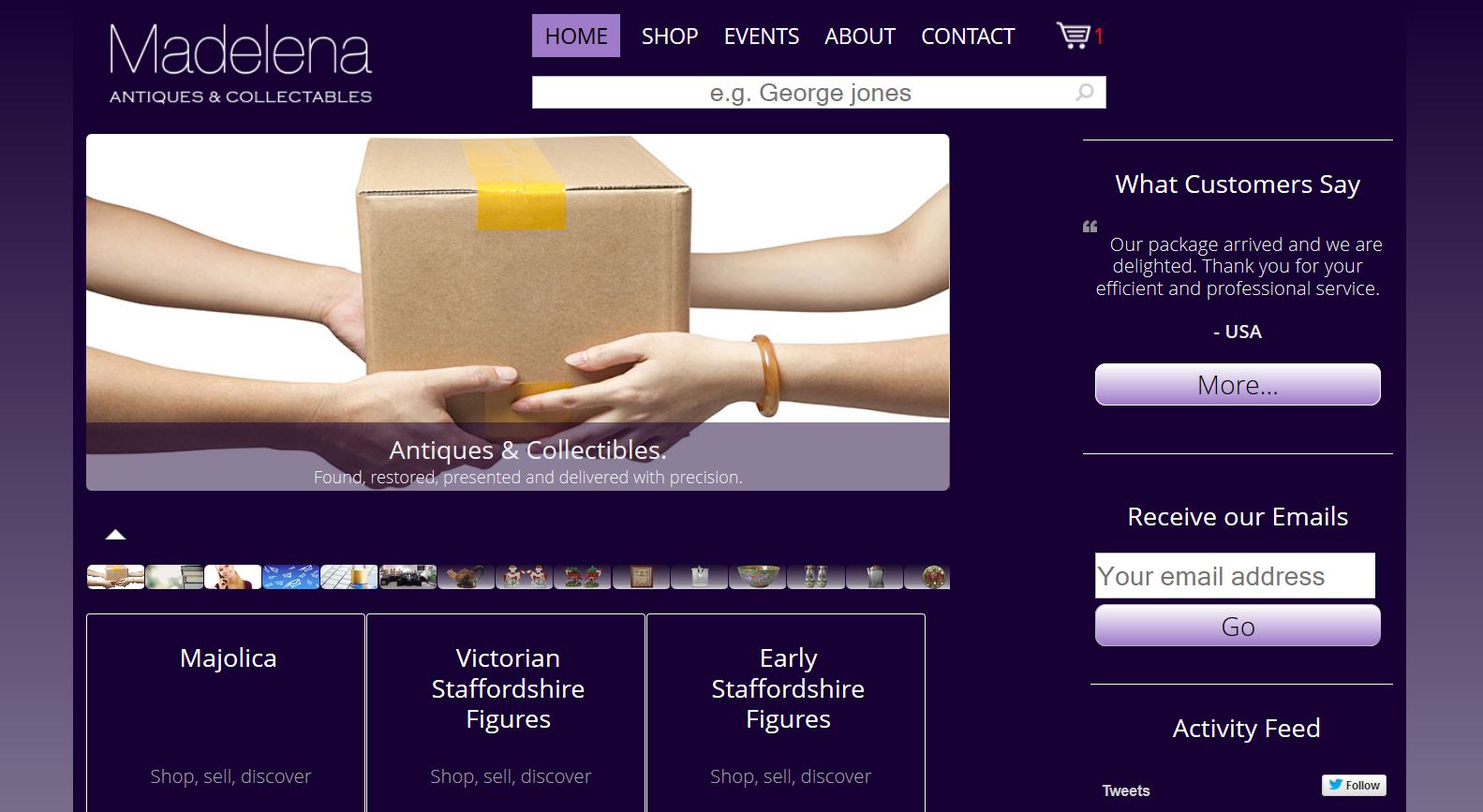
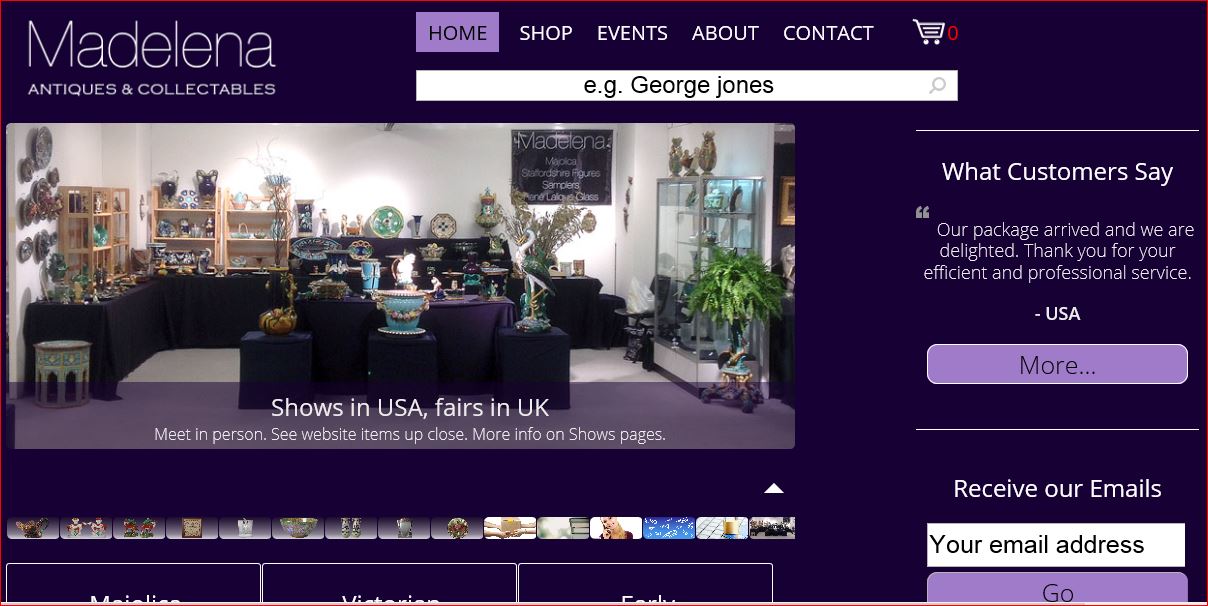
Why change a website that everyone loves and praises?
First, we had to deal with an unfixable bug in the shopping cart which was causing intermittent problems. New technology was the way forward.
Second, our ‘product mix’ is now of higher quality than the site was originally designed for. We wanted to bring a quality look to match the quality of the inventory.
Third, we wanted to optimize for all devices. In the old days ‘going online’ meant connecting to the internet using a personal computer or laptop with a reasonably large screen. Today we also use smartphones and notebooks. For websites to display at their best on small devices the website needs to be able to shrink itself to fit the screen. New technology was again the way forward.
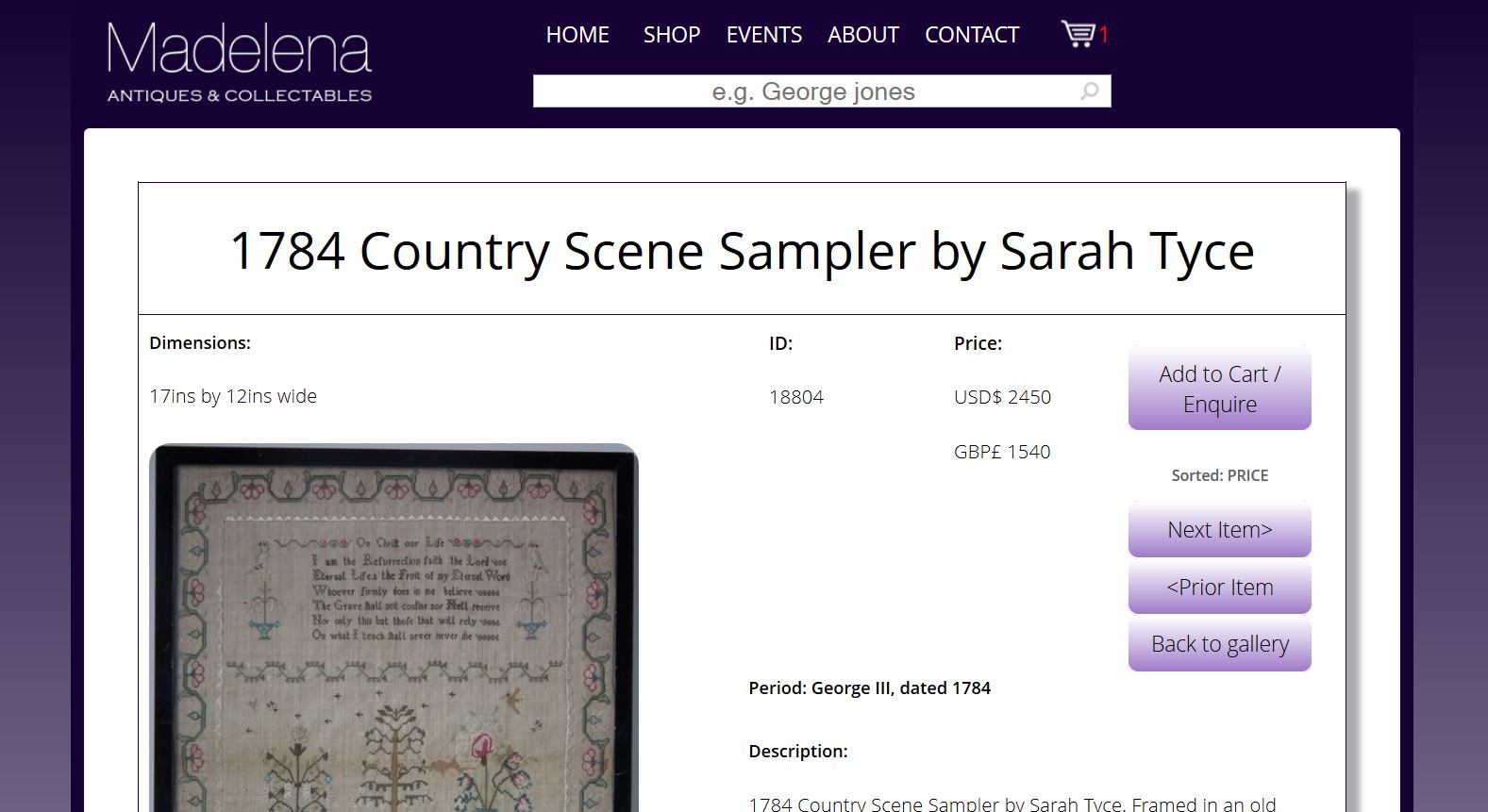
A unique and possibly the greatest feature of your old website was the detail in your descriptions and condition reports with pictures showing exactly what was what. Has that changed?
Rest easy, there has been no change to the detail which, as before, you reach by clicking the button that looks like this. This is where Madelena’s users find the detailed descriptions and condition reports that are our unique selling point. We believe in ‘Do as you would be done by. No surprises thank you.’ Every care is taken to show defects as realistically as possible.
Why did you not change the technology but keep the old look?
We noticed other websites moving to a cleaner, less cluttered look and feel. We thought ours would look better and make navigation easier for first time visitors if we made some changes. Existing users we hope will very quickly discover that the core content of the website has not changed at all.
We have moved to a new logo that works with all categories and are now using a simple color scheme applied consistently throughout the entire website. White text on dark background is used in many places for easy reading.
An attention grabbing homepage and bold navigation routes to the merchandise and to the sell and discover pages we hope will encourage visitors to discover the joys of collecting amazing objects.
Hints and tips when the mouse is ‘hovered’ over a box help the user with additional information and save clutter.
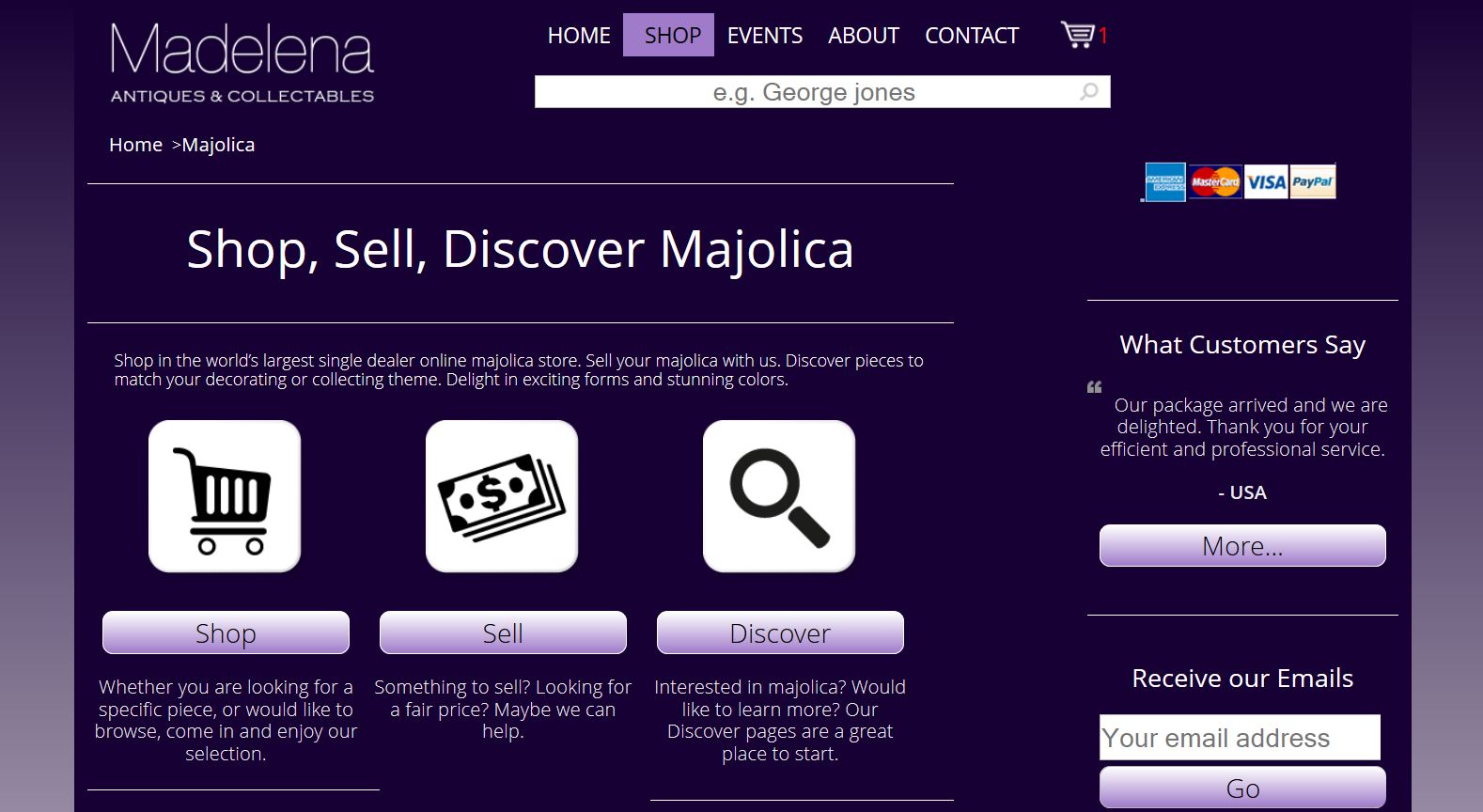
To make our informational articles more accessible we now have a dedicated DISCOVER section in each category which includes a blog and other links that may be of interest.
What else did you change that might improve the user experience?
A Skype button with a reminder of UK time and office hours to make phone calls more easy to make than ever before. And simplified email management.
An improved shopping cart, enhanced security and a smoother check out and payment that should now work perfectly for everybody on every type and version of browser.
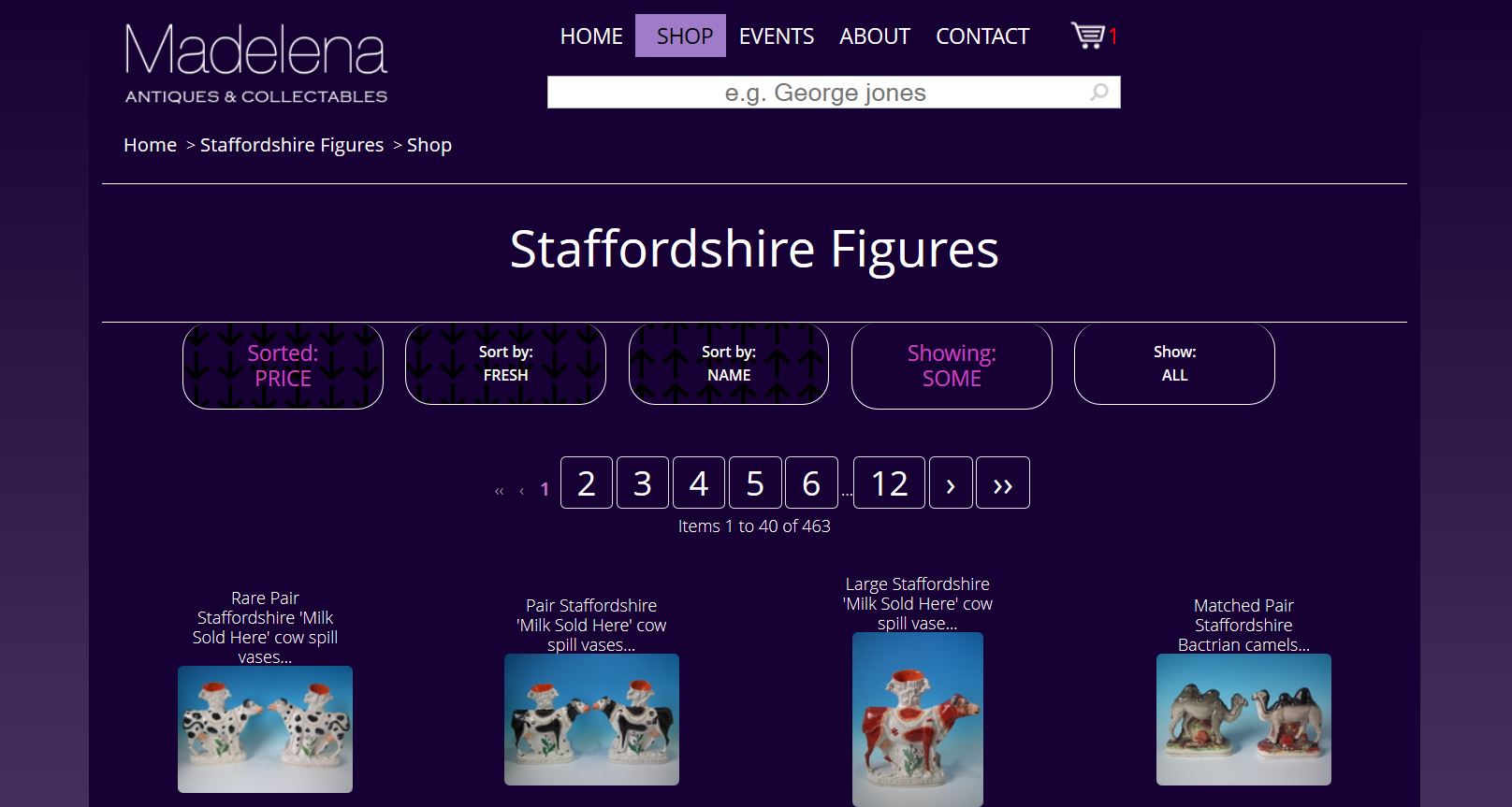
Many customers wanted to see Early Staffordshire figures only so these are now shown on a separate page as well as being included with the Victorian Staffordshire figures. Palissy collectors wanted Palissy separated from majolica so we now have a separate Palissy page. Similarly we have separate pages for all the Decorative Arts categories: R.Lalique glass, Minton Secessionist ware, the Wedgwood luster wares including Fairyland lustre, and the art nouveau period WMF silver plated ware that is another specialist category that we deal in.
A Twitter feed for the upcoming younger generation of collectors has been added. This is a good place for short comments from visitors of any age.
Others wanted titles with the ‘thumbnail’ pictures so these have been added.
For more efficient searches the SEARCH box can now handle ‘and’ and ‘or’ in addition to the single word search. For example “Jones,plate” (Jones or plate) returns 215 items containing either the word ‘Jones’ or the word ‘plate’. “Jones plate” (Jones and plate) returns 15 items containing the word ‘Jones’ and the word ‘plate’.
If you don’t love the new website after a short while we really do want to hear from you.
Your comments on anything no matter how small are important to the success of the website. Customer feedback both praise and complaint is key to our development, always was and always will be.
On the CONTACT tab
…you will find a new ‘fast email’ link for your convenience ‘Email us at any time’.





![IMAG0589_1[1]](https://madelena.com/blog/wp-content/uploads/2014/01/IMAG0589_11-214x300.JPG)
![IMAG0591_1[1]](https://madelena.com/blog/wp-content/uploads/2014/01/IMAG0591_11-215x300.JPG)
![IMAG0593_1[1]](https://madelena.com/blog/wp-content/uploads/2014/01/IMAG0593_11.JPG)